
US Lawmakers Doubt Alleged Hegseth Kill Orders in Venezuela but Warn of Rising Risks
Congress launches bipartisan probe into the Trump administration's controversial Caribbean drug strikes after reports allege Pete Hegseth ordered killing survivors.
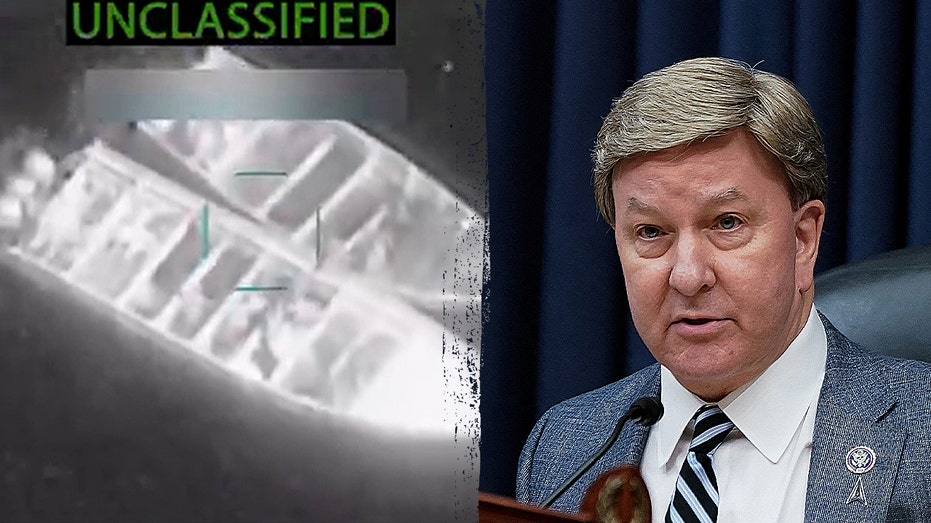
U.S. lawmakers say they are skeptical of Venezuela’s explosive allegation that American television commentator Pete Hegseth issued “kill orders” connected to opposition groups inside the country, but they warn the claim signals growing volatility in Washington–Caracas relations and highlights the dangers of misinformation ahead of a tense election year. The remarks came Tuesday as members of Congress from both parties urged the State Department to investigate the accusation and assess whether it forms part of a broader information campaign by the Maduro government.
Venezuelan Accusations Spark Bipartisan Concern
Venezuela’s government announced over the weekend that it possesses “credible intelligence” linking Hegseth, a former Army officer and Fox News personality, to plots encouraging violence against pro-government organizers. The government did not release evidence, but state media framed the allegation as part of an ongoing fight against “U.S.-supported destabilization.”
U.S. lawmakers responded with swift caution. Several members of the House Foreign Affairs Committee said they doubt the veracity of the charges but urged the administration to take them seriously for their geopolitical implications.
Rep. Adam Schiff, D-Calif., said Tuesday the claim “resembles past disinformation operations” by Caracas but warned that “false narratives can escalate conflict if left unaddressed.”
Republicans expressed similar skepticism.
“This sounds like another attempt by Maduro to frame Americans for his own repression,” said Rep. Michael McCaul, R-Texas. “But we can’t rule anything out without reviewing the facts.”
Hegseth has not publicly commented, though individuals close to him called the accusation “absurd” and “completely fabricated.”
⸻
A Familiar Playbook, Analysts Say
Political analysts say Venezuela has a long history of issuing dramatic accusations against foreign figures, often without providing evidence. In 2019, the government alleged that U.S. officials supported a coup attempt; in 2022, it accused Colombian intelligence of plotting assassinations inside Caracas.
“This follows a pattern of externalizing internal instability,” said political scientist Vanessa Ruiz, who studies disinformation in Latin America. “The accusation against Hegseth fits that mold — targeting a recognizable American figure to build a narrative of armed interference.”
Still, experts caution that dismissing unverified claims carries its own risks.
“When relations are this tense, even implausible allegations can fuel miscalculations,” Ruiz added.
⸻
Congress Seeks Intelligence Briefing
Senior lawmakers have formally requested a closed-door briefing from the State Department and intelligence agencies. They want to determine whether the allegation stems from a misunderstanding, a manipulated communication, or a deliberate propaganda effort.
Several members argued that responding quickly is essential to avoid a spiral of accusations.
“We cannot allow a baseless claim to evolve into a diplomatic crisis,” said Sen. Tim Kaine, D-Va., who serves on the Senate Foreign Relations Committee. “Transparency prevents escalation.”
Republican Sen. Marco Rubio agreed, urging the administration to “expose any disinformation and reassure Venezuelans that the United States does not endorse violence as a political tool.”
The State Department said Monday it is “reviewing the matter” and reiterated that the U.S. has “no involvement in any activity that supports violence in Venezuela.”
⸻
Venezuela’s Domestic Politics Intensify the Moment
Analysts say the allegation must be understood within the context of Venezuela’s domestic pressures. President Nicolás Maduro faces mounting discontent over economic stagnation, rising emigration, and contested political reforms. Security forces have recently cracked down on opposition meetings, citing alleged foreign threats.
Government officials claim the country is confronting an “invisible war” led by foreign media and political figures.
“These accusations targeting Americans help the government rally support and justify repression,” said David Smilde, a senior fellow at the Washington Office on Latin America. “They create an environment where any dissent can be portrayed as externally orchestrated.”
Opposition groups, meanwhile, say the government is using foreign scapegoats to distract from worsening internal conditions.
⸻
The Hegseth Factor: A Media Personality Thrust Into Geopolitics
Pete Hegseth is known for his conservative commentary on U.S. veteran issues and national security, but he has no formal political role in U.S. policy toward Venezuela. He previously criticized socialist governments in Latin America but has not advocated armed intervention.
Experts say targeting a public figure with a prominent media presence may help Venezuelan authorities amplify the allegation.
“Hegseth is widely recognizable among American conservatives,” said media analyst Carla Menéndez. “By using his name, the government taps into partisan divides in the U.S. and creates a story that can spread quickly.”
So far, mainstream U.S. media outlets have treated the allegations cautiously, noting the lack of evidence.
⸻
Disinformation Fears and Regional Implications
Lawmakers warn that the episode underscores a rising threat: foreign governments may exploit media personalities to spread confusion, shape narratives, and create friction between nations.
“We’re entering a period where misinformation intersects with geopolitics more directly,” said Rep. Abigail Spanberger, D-Va., a former CIA officer. “The Venezuelan claim fits into a broader global trend of governments weaponizing narrative manipulation.”
Intelligence officials have previously warned that Russia and Iran seek influence in Venezuela, complicating the information environment.
Regional organizations, including the Organization of American States, have called for “credible evidence” before accepting Venezuela’s claim. Several South American nations expressed concern that politically charged accusations could destabilize an already fragile region.
⸻
Administration Walks a Careful Line
The Biden administration has pursued cautious engagement with Venezuela, balancing targeted sanctions with diplomatic pressure. U.S. officials fear that escalating rhetoric could jeopardize recent progress, including limited humanitarian agreements and discussions over detained Americans.
“The key is keeping channels open,” a senior administration official said on background. “We are not going to play into provocations that rely on misinformation.”
However, Republican lawmakers criticized what they call “overly soft” diplomatic responses and urged a firmer stance against Maduro.
“This regime responds to strength,” said Sen. Ted Cruz, R-Texas. “We cannot allow baseless allegations to become a political tool.”
⸻
What Comes Next
Congress expects an intelligence assessment within days. If the allegation is deemed part of a misinformation campaign, lawmakers may press for new sanctions targeting Venezuelan officials involved in disseminating false claims.
If, however, any supporting evidence emerges — even evidence indicating miscommunication rather than intent — the administration may face pressure to revise diplomatic protocols.
Diplomats caution that future accusations may follow.
“As long as Venezuela faces internal instability, foreign actors will remain convenient targets,” said Smilde.
For now, lawmakers across the political spectrum share one view: the accusation is unverified, but its geopolitical impact is real.
“This is exactly how misunderstandings spiral into crises,” Sen. Kaine said. “We have to handle it with clarity and urgency.”


