
Trump Pardon Frees Former Honduran President From U.S. Prison After Years Behind Bars
Former Honduran president Juan Orlando Hernández freed from U.S. prison after President Donald Trump grants pardon for drug trafficking conviction.
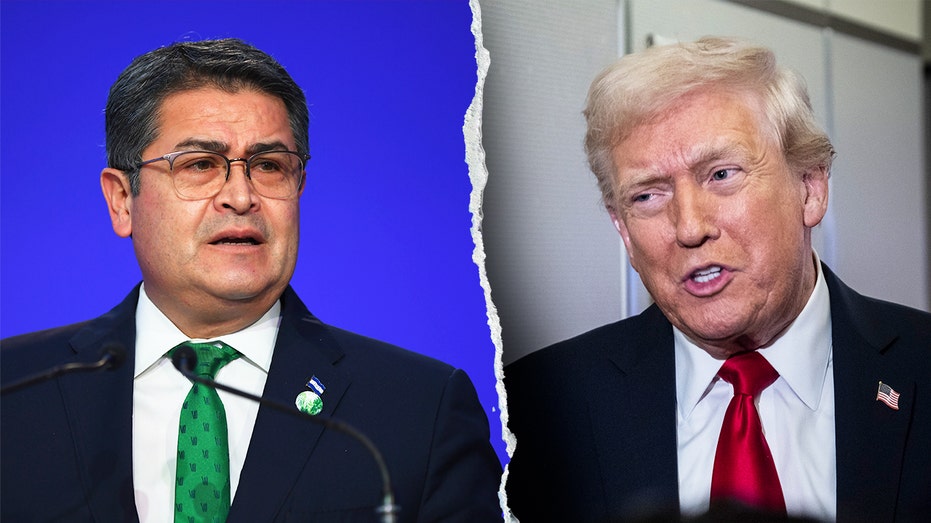
The former president of Honduras was released from a U.S. federal prison on Tuesday after receiving a presidential pardon from Donald Trump, marking a dramatic turn in a high-profile case that once symbolized Washington’s anti-narcotics stance in Central America. The ex-leader, convicted on drug trafficking and weapons charges, was freed from a penitentiary in Florida and is expected to return to Honduras amid rising political tensions and widespread public debate over the implications of the decision.
⸻
A Sudden Release With Major Diplomatic Ripples
Pardon Issued Amid Broader Debate Over U.S. Foreign Policy
The pardon, announced late Monday night, immediately drew reactions from lawmakers, foreign policy experts, and human rights organizations. Trump’s declaration cited “humanitarian grounds” and “concerns over prosecutorial misconduct,” though the Justice Department has not issued any statement supporting or contradicting those claims.
The former Honduran president, who served from 2014 to 2022, had been sentenced in the United States after prosecutors accused him of aiding major cartels in transporting tons of cocaine through Honduras in exchange for political and financial backing. His conviction became a landmark case, underscoring U.S. efforts to curb narcotics flows from Central America.
The abrupt reversal raises questions about the future of bilateral cooperation between Washington and Tegucigalpa and about the U.S. commitment to anti-corruption efforts in the region.
⸻
Reactions in Honduras: Relief, Anger, and Uncertainty
Government Issues Cautious Statement
The Honduran government responded with a cautious statement acknowledging the release and urging the public to remain calm. Officials said they expect the former president to return after completing administrative procedures with U.S. immigration authorities.
Several members of the ruling party expressed concern that the pardon could embolden political actors accused of corruption. Others said they hope the ex-leader’s return will help clarify long-standing disputes over decisions made during his administration.
Public Opinion Split Across Political Lines
Supporters of the former president celebrated outside government buildings in Tegucigalpa, calling his release overdue. They argued that the trial was politically motivated and that U.S. prosecutors relied heavily on testimony from cartel members seeking leniency.
Opponents, however, condemned the pardon and accused the former president of enabling criminal networks that contributed to years of violence and instability in Honduras. Activists and victims’ families said the release undermines their pursuit of justice.
Analysts Warn of Heightened Political Polarization
Political analysts said the ex-leader’s return could intensify divisions in Honduras as the nation prepares for upcoming municipal and national elections. Experts said the pardon may be viewed as an external intervention in domestic politics, potentially reshaping alliances and rivalries.
⸻
U.S. Lawmakers Question Motives Behind Pardon
Bipartisan Skepticism Emerges
In Washington, lawmakers from both parties expressed skepticism about the pardon. Republican and Democratic senators said they plan to request records from the Justice Department and the White House to understand how the decision was made.
Some lawmakers argued that overturning a conviction obtained after years of investigation could weaken U.S. credibility in global anti-corruption efforts. Others said the decision reflects an attempt to recalibrate relations with certain Central American partners.
Legal Experts Emphasize Unusual Circumstances
Legal scholars noted that pardons in cases involving foreign officials linked to international narcotics trafficking are rare. They said the move may raise questions about prosecutorial independence and the integrity of plea agreements that relied on the former president’s conviction.
A former federal prosecutor said the pardon “sends a complicated message” to U.S. allies facing pressure to curb transnational crime.
⸻
Background: A Presidency Shadowed by Drug Accusations
Long-Standing Allegations and International Scrutiny
During his eight-year tenure, the former Honduran president faced persistent allegations of cartel ties. Multiple witnesses implicated him in trafficking operations, claiming he accepted millions of dollars in bribes in exchange for protecting drug shipments moving toward the United States.
While he denied all accusations, U.S. prosecutors argued that he oversaw a “narco-state” and used law enforcement agencies to facilitate smuggling routes.
Conviction Marked a Turning Point
The ex-leader’s 2024 conviction was celebrated by anti-corruption activists in Central America, who called it a precedent-setting moment. The Justice Department said the sentencing was based on extensive physical evidence, wiretaps, and testimony.
He received a multi-decade prison term that analysts believed would prevent him from re-entering politics. The pardon alters that trajectory dramatically.
⸻
What Comes Next: Repatriation, Legal Questions, and Political Implications
Repatriation Process Underway
U.S. officials said the former president’s immigration processing is underway. He is expected to board a commercial or chartered flight to Honduras within days.
His legal team said he intends to address the public upon arrival, although details of the statement or location have not been released.
Potential Charges in Honduras
Honduran prosecutors have not confirmed whether they will file new charges against the former president. Several cases related to misuse of public funds and allegations of embezzlement remain pending, though they were paused during his incarceration.
Legal experts said Honduran prosecutors may face political pressure from both his allies and opponents.
Regional Security Concerns
Security analysts said the pardon could unsettle ongoing regional cooperation against narcotics trafficking. Some fear criminal groups may interpret the decision as a weakening of U.S. resolve, although officials have not signaled any change to drug interdiction operations.
⸻
International Response: Allies and Rights Groups React
Latin American Leaders Issue Statements
Several Central American leaders issued cautious or neutral responses. Some emphasized respect for U.S. internal decisions, while others expressed concerns that the pardon may embolden political figures facing corruption allegations.
Mexico’s foreign ministry said it continues to work closely with U.S. and Central American partners on regional security efforts.
Human Rights Groups Criticize Pardon
Human rights organizations criticized the decision, arguing it undermines accountability for crimes tied to trafficking and violence. They said the pardon could discourage victims from coming forward in future cases.
A leading rights NGO urged the U.S. government to reaffirm its commitment to supporting judicial independence in the region.
⸻
Looking Ahead: A Complex Moment for U.S.–Honduras Relations
The release of the former Honduran president marks a major shift in a case that once represented a breakthrough in international anti-narcotics prosecution. Analysts said both nations must now navigate delicate political and diplomatic terrain.
Whether the pardon strengthens or strains bilateral ties will depend on decisions made in the coming weeks — from how Honduras handles pending cases to how Washington communicates its rationale to domestic and international audiences.
As the ex-leader prepares to return home, the region watches closely, aware that his arrival may reshape political discourse at a pivotal moment for Central America.


