
Texas Attorney General Sues EPIC City Developers Over Alleged Fraud, Misleading Marketing
Texas Attorney General Ken Paxton has sued the developers behind the proposed 400-acre EPIC City, alleging illegal securities sales, misleading marketing and payouts.
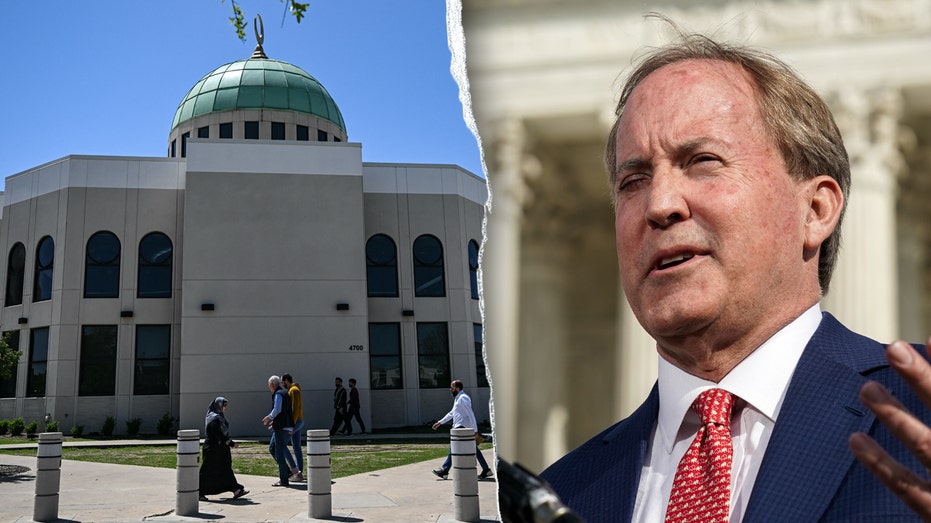
Texas Attorney General Ken Paxton has sued the developers behind the proposed 400-acre EPIC City, alleging illegal securities sales, misleading marketing and payouts.
Paxton’s lawsuit accuses real estate promoters of deceptive practices, including advertising a “Muslim-only” community, after a months-long consumer-protection probe. Texas Attorney General Ken Paxton has filed a lawsuit against the developers of “EPIC City,” alleging that the real estate group misled buyers with fraudulent investment claims and promoted the project as a “Muslim-only” community in violation of state fair-housing laws. The civil complaint, filed Thursday in a state district court, follows an investigation triggered by consumer complaints that investors were promised nonexistent infrastructure, improper returns and religiously exclusive housing.
⸻
State Alleges Deceptive Conduct and Discriminatory Marketing
Paxton’s office states the developers violated the Texas Deceptive Trade Practices Act by falsely claiming EPIC City would become a self-contained township featuring schools, medical centers, commercial hubs and religious facilities within a specified timeframe.
According to the lawsuit, none of the promised amenities were under construction and several essential permits had not been obtained. Investigators also allege that the developers used religious targeting in advertisements, repeatedly suggesting the project was meant “exclusively for Muslims,” a characterization the complaint says is unlawful and materially misleading.
Paxton, in a statement issued Thursday, said his office “will not tolerate real estate schemes that prey on faith-based communities or attempt to segregate housing using deceptive marketing.”
The developers have not yet publicly responded to the lawsuit. Calls and emails sent to listed contacts for the development firm were not immediately returned.
⸻
Consumer Complaints Spark Inquiry
The investigation began earlier this year when multiple buyers filed complaints with the attorney general’s Consumer Protection Division.
Many said they were encouraged to purchase land plots on the outskirts of Houston and Dallas based on promotional materials claiming the project would become the “first Muslim community of its kind in Texas.”
State investigators found that the marketing pushed urgency, with sales agents saying the project would fill quickly due to “religious exclusivity,” suggesting buyers should commit before the community reached capacity.
Several complainants told investigators they later discovered the plots lacked essential utilities such as water, sewer connections and road access. Others said they were never provided documentation proving land titles were free of liens.
⸻
What the Lawsuit Alleges
Promises of a Fully Planned City
The complaint outlines a series of alleged misrepresentations by developers, including claims that EPIC City would feature:
• A fully accredited Islamic school
• A medical complex staffed by community physicians
• Dedicated shopping districts
• Religious and cultural centers
• A community-owned security force
Investigators say none of these facilities existed beyond “concept sketches and unverified verbal assurances.”
Misleading Investment Guarantees
State officials also allege the developers promised inflated returns on land purchases, telling buyers that property values would double within a year due to “exclusive community development and pre-approved commercial zoning.”
Financial records reviewed during the probe, according to the lawsuit, did not support these claims.
Religious Exclusivity and Fair-Housing Concerns
The lawsuit states that several marketing brochures and online videos pitched the project as a “Muslim-only sanctuary,” a claim that runs afoul of federal and state fair-housing rules prohibiting discrimination on the basis of religion.
Housing-law experts say such language could also expose developers to federal scrutiny by the U.S. Department of Housing and Urban Development (HUD), though no federal action has yet been announced.
⸻
Community Reaction and Concerns
Muslim Organizations Distance Themselves
Muslim advocacy groups in Texas responded to early reports of the investigation by clarifying they are not connected to EPIC City and do not support religiously segregated housing.
The Council on American-Islamic Relations (CAIR) – Texas issued a statement in September saying it “strongly opposes the exploitation of Muslim homebuyers through deceptive or exclusionary real estate practices.”
Community leaders said many Muslim families seek safe, affordable housing but do not support the creation of exclusive religious enclaves marketed under misleading premises.
Local Officials Raise Planning and Zoning Issues
County officials in areas where EPIC City marketed land say they were never presented with formal plans for the extensive development advertised to buyers.
One official, speaking on background because the county had not yet been served with litigation documents, said “very little of what buyers describe matches anything filed with our planning department.”
Infrastructure experts note that large-scale township projects in Texas typically undergo multi-stage review processes requiring environmental clearances, road-layout approvals and utilities assessments.
⸻
Developers’ Perspective Remains Unclear
The developers behind EPIC City have maintained a low public profile. Their website, which was taken offline this week, previously described the development as a “faith-friendly, family-oriented master community.”
No legal counsel for the development group has responded to press inquiries, and it remains unclear whether the developers intend to contest the lawsuit or negotiate a settlement.
Real-estate attorneys not connected to the case say the lawsuit could lead to restitution for buyers, civil penalties or a freeze on further plot sales if the court finds merit in the attorney general’s claims.
⸻
Legal Framework and Potential Penalties
Under the Texas Deceptive Trade Practices Act, courts can impose penalties for misrepresentations made during land sales and investment solicitations.
Penalties can include:
• Injunctions against further sales
• Mandatory refunds
• Civil fines of up to $10,000 per violation
• Additional penalties when victims are elderly or economically vulnerable
If religious discrimination is proven, the developers may also face additional sanctions under the Texas Fair Housing Act.
Legal analysts observe that Paxton’s office has increasingly targeted real-estate advertising violations in recent years, especially those involving migrant, minority or religious communities seen as vulnerable to predatory sales tactics.
⸻
Broader Context: Growing Scrutiny of Faith-Based Housing Marketing
Real-estate developments marketed to specific religious or cultural communities are not new in the United States, but legal scrutiny has intensified as some projects have skirted fair-housing laws.
Experts note that advertising a development as tailored to a particular community is legal, but implying or promising exclusivity based on religion crosses regulatory lines.
Texas is one of several states that recently strengthened monitoring of land investments marketed to diaspora communities, particularly projects promising rapid appreciation or large-scale self-sufficient townships.
Housing scholars say the EPIC City lawsuit could signal broader enforcement in states experiencing rapid population growth, where land speculation and unconventional marketing have become common.
⸻
What Comes Next
The lawsuit will proceed through civil court, with the attorney general seeking injunctions and financial remedies. Buyers may also file independent civil claims if they incurred financial harm.
Consumer-protection advocates say the case underscores the need for prospective buyers to verify permits, infrastructure commitments and zoning records before investing in master-planned communities.
As the legal process unfolds, state officials have urged affected buyers to contact the attorney general’s Consumer Protection Division for assistance.


