
Pro-Palestinian Display at Pennsylvania School Sparks Tension, Prompts Safety Concerns
Pennsylvania school faces backlash from Jewish parents after Muslim student club distributed keffiyahs and pro-Palestinian messaging at culture fair.
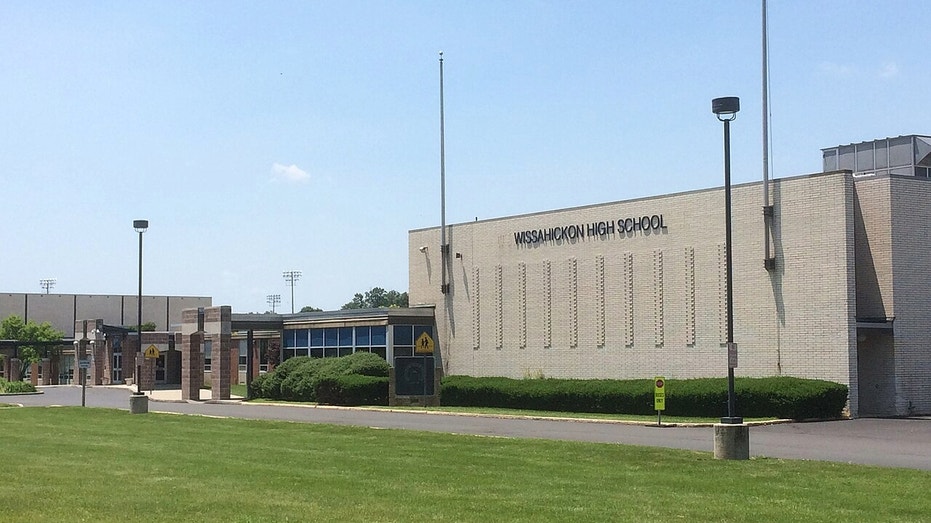
Pennsylvania school faces backlash from Jewish parents after Muslim student club distributed keffiyahs and pro-Palestinian messaging at culture fair.
Parents and community leaders demand accountability after a Muslim student group’s installation leaves several Jewish students distressed.
A suburban Pennsylvania school district is facing mounting criticism after a pro-Palestinian display created by a Muslim student organization reportedly left several Jewish students “shaken,” prompting concerns about student safety, rising communal tensions, and the boundaries of political expression in public schools. The incident, which occurred earlier this week at a public high school outside Philadelphia, has triggered heated debates among parents and community leaders while school officials rush to manage the fallout.
Administrators said the display was removed within hours after concerns were raised, but stakeholders continue to question the oversight process that allowed it to be put up without prior review. Leaders of both Muslim and Jewish student groups have since met with school counselors and administrators, while police have been notified as a precautionary measure, according to district officials.
⸻
The Display and Immediate Reaction
How the Controversy Began
According to school officials, the installation was created by members of the Muslim Student Association (MSA) as part of a cultural awareness activity. The display included images and messages calling attention to the humanitarian crisis in Gaza and expressing solidarity with Palestinians affected by the ongoing conflict.
Several Jewish students who encountered the display reported feeling unsafe and emotionally distressed. Parents of those students said the materials included language they believed carried political undertones that could easily be interpreted as one-sided or inflammatory.
“It was not just a cultural poster. It was deeply political, and my child felt targeted,” said one parent during a public comment session at the school board office. She said her daughter left school early after seeing the display.
School Removes the Installation
Administrators removed the exhibit shortly after complaints surfaced. “Once we were made aware, we took immediate action,” the superintendent said in a statement. “The district is committed to ensuring that every student feels supported, and we will be reviewing our internal processes to prevent any oversight.”
The district also scheduled meetings with affected students and their families to address concerns and offer support services.
⸻
Community Response Divided
Concerns From Jewish Parents and Advocacy Groups
Local Jewish organizations expressed alarm over what they described as a “pattern of unchecked campus expressions” that fail to consider the well-being of Jewish students during a time of heightened tensions worldwide.
The regional chapter of the Anti-Defamation League (ADL) issued a statement saying it is “closely monitoring the situation,” urging school leaders to implement clear guidelines for student-led political displays. “School spaces must remain safe and inclusive, especially in a climate where antisemitic incidents nationwide have seen a sharp rise,” the ADL representative said.
Parents echoed these concerns, calling for stronger review procedures and training for educators to identify potentially divisive content.
Muslim Community Leaders Call for Dialogue
Muslim community leaders argue that the students’ intent was humanitarian, not inflammatory. Representatives from the MSA said the display aimed to highlight the suffering of civilians, not to create hostility.
“We deeply regret that classmates felt distressed,” an MSA spokesperson said. “Our purpose was to raise awareness about a global issue, not to target or upset any group.”
Community advocates urged the district to avoid punitive measures that may discourage cultural expression or silence students from marginalized communities.
⸻
Rising Tensions Reflect Broader National Trends
Conflict Abroad Spilling Into Schools
Since the escalation of violence in Gaza and Israel, schools and universities across the United States have reported a surge in student activism, emotional strain, and complaints of harassment.
Federal data shared earlier this year indicates a rise in both antisemitic and anti-Muslim incidents on campuses, particularly following large-scale geopolitical events. Experts say these conflicts often spill over into academic environments, where young people are still learning how to navigate emotional, political, and cultural complexities.
“Schools have become microcosms of global conflict,” said education policy researcher Karen Mendez. “Students are processing trauma from international events while trying to express their identity—often without the tools to do so constructively.”
Districts Grapple With Political Expression Policies
Many districts nationwide lack comprehensive policies on political, cultural, or humanitarian displays initiated by student groups. Administrators often walk a tightrope between protecting free expression and maintaining emotional safety.
Pennsylvania’s Department of Education has not issued specific guidelines on pro-Palestinian or pro-Israeli material in schools but urges districts to enforce anti-discrimination policies consistently.
⸻
School District Promises Review and Increased Sensitivity Training
Administrators Outline Next Steps
Following the incident, the superintendent said the district will conduct a full review of approval processes for student-led displays. The district also plans to:
• Implement mandatory cultural-sensitivity and conflict-resolution training for staff
• Update guidelines on political or humanitarian content in school areas
• Establish a rapid-response team to evaluate complaints involving identity-based distress
• Create structured dialogue forums for students of different backgrounds
“We recognize the seriousness of this moment,” the superintendent said. “Our responsibility is to balance expression with safety and ensure our school remains a place where all students feel welcome.”
Counseling, Mediation Sessions Scheduled
Counselors have been assigned to meet with affected students, and the school is considering facilitated sessions for both Muslim and Jewish student groups.
“Our priority is healing and understanding,” a school counselor said. “Students need space to talk through what they felt and why.”
⸻
Parents Demand Transparency and Accountability
Calls for Clearer Rules and Better Oversight
At a school board meeting, several parents urged the district to release an internal report explaining how the display was approved without administrative review. Others requested the creation of a diverse advisory committee to evaluate cultural or political materials in the future.
Some parents argued that while activism can be educational, displays that trigger emotional harm undermine the district’s responsibility to protect every student.
“This is not about silencing anyone,” said a Jewish parent who spoke at the meeting. “It’s about recognizing that sensitive geopolitical issues require careful handling.”
Muslim Families Express Fear of Backlash
Meanwhile, Muslim families said they worry the controversy could result in unfair scrutiny of Muslim student groups. One parent said her son was “frightened” that classmates might misinterpret the display as hostility rather than advocacy.
“We want our children to express themselves respectfully and safely,” she said. “We also want them to be seen as individuals, not representatives of global conflicts.”
⸻
Looking Ahead: A Chance for Constructive Dialogue
District Works Toward Long-Term Solutions
Administrators say they hope the incident becomes an opportunity for broader education on conflict, identity, and coexistence. Plans are underway to introduce classroom discussions on respectful communication and global awareness.
Experts say structured dialogue can reduce misunderstandings and build empathy among students.
“Schools cannot eliminate tension entirely,” Mendez said. “But they can teach students to engage with difficult issues responsibly.”
A Community Searching for Common Ground
As the district continues its review, families on both sides say they want a resolution rooted in respect and safety. Jewish parents want reassurance that their children will feel secure at school, while Muslim families hope their children’s perspectives can be expressed without backlash.
The superintendent said the goal is not to restrict expression but to ensure it occurs “in a manner that fosters understanding rather than division.”


