
Iran Threatens Boycott of World Cup Draw Over Host Nation’s Visa Denial
Iran say they plan to boycott the 2026 World Cup draw in the United States next week because of the limited number of visas for their delegation.
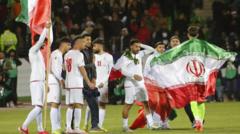
Iran announces it will boycott the upcoming World Cup draw after host nation officials allegedly refused to issue visas to members of its football delegation, prompting a sharp diplomatic dispute and raising concerns about political interference in international sports. The announcement, made Tuesday by Iran’s Football Federation in Tehran, comes just days before the scheduled draw and compels FIFA to confront what Iran describes as a “clear violation of sporting neutrality.”
Iran Says Visa Rejection Violates Sporting Protocol
Iran’s Football Federation said the delegation had complied with all requirements for travel and accreditation but was informed at the final stage that visas would not be issued. The refusal prevents senior Iranian officials from traveling to the host country for one of football’s most consequential events.
Officials labeled the decision an “unfriendly, unacceptable, and politically motivated action,” asserting that it violates international sports norms, including FIFA’s statutes mandating equal participation by all qualifying nations.
“Our delegation cannot attend if the host country is unwilling to follow basic protocol,” the federation said in a public statement. “We will not legitimize discrimination against our national representation.”
The host government has not publicly commented, but diplomatic sources cited “administrative and security issues” without elaboration.
⸻
A High-Stakes Moment Before a Global Event
The World Cup draw — the ceremony determining group placements for all participating nations — is typically highly choreographed and closely followed by millions worldwide. National coaches, federation heads, and international football officials attend.
A boycott could have symbolic consequences for Iran’s global football standing. Iran is one of Asia’s most prominent football nations, having qualified repeatedly for the World Cup and maintaining a large international fan base.
Experts say the absence of Iran’s delegation will not affect the team’s ability to compete, but the political backlash may overshadow preparations.
⸻
FIFA Under Pressure to Intervene
The incident places FIFA under immediate scrutiny. Football’s global governing body has faced repeated criticism for its handling of geopolitical disputes and for hosting events in politically sensitive regions.
FIFA typically insists that host nations facilitate travel for all accredited delegations. However, enforcement remains inconsistent, especially when political tensions intersect with administrative decisions.
International sports-law analyst Rudi Markson said:
“FIFA has an obligation to ensure non-discrimination, but its tools are limited unless it is willing to confront the host government directly. Iran’s boycott threat forces FIFA into a position it often tries to avoid.”
FIFA has not yet issued a formal response. Insiders say a statement is expected soon.
⸻
Regional and Political Context Adds Complexity
The visa dispute occurs amid heightened political tensions in the region. While no direct political motive has been acknowledged, analysts note that strained diplomatic relations may have influenced the host nation’s decision.
Iran’s Foreign Ministry voiced support for the football federation, stating that the rejection of visas “undermines sporting diplomacy and fosters unnecessary hostility.”
The ministry added that it is seeking “clarification and rectification” through official channels.
Tehran also summoned the host nation’s senior diplomatic representative for an explanation, underscoring the seriousness with which the situation is viewed.
⸻
Sports Sanctions and Precedents
This is not the first time Iranian athletes have faced travel restrictions or political complications abroad. Visa delays, bans, and diplomatic stand-offs have periodically disrupted sporting events involving Iranian teams in recent years.
In global football, similar controversies have erupted before.
• In 2018, a team from Europe missed a continental club draw due to denied visas.
• In 2022, an Asian nation protested when its journalists were denied entry ahead of a major tournament.
While rare, such incidents can prompt official complaints or even sanctions in extreme cases.
Sports historian Leila Sharifi notes:
“Visa discrimination is taken seriously within the international sports community because it threatens the principle of equal access. If one country is barred for non-sporting reasons, the entire competitive environment becomes compromised.”
⸻
Fans Express Frustration at Potential Fallout
Iranian football fans reacted swiftly on social media. Many expressed anger, viewing the visa refusal as an insult to the national team and as an attempt to undermine Iran’s presence on the international stage.
“It’s not about politics — it’s about fairness. If our team qualifies, they deserve equal treatment,” one fan wrote on X.
Others fear the boycott could harm Iran’s standing or trigger punitive measures from FIFA if not managed diplomatically.
Domestic sports journalists echoed concerns that the escalating dispute could overshadow Iran’s World Cup preparations or become a distraction for players and staff.
⸻
Host Nation Faces Criticism Over Handling
Though the host nation has not provided full details, the incident has drawn international attention to its visa and accreditation processes.
Analysts say the opacity draws suspicion and fuels claims of political interference. Some regional commentators argue that such decisions risk setting a dangerous precedent for future international sporting events.
“The moment visas become a geopolitical bargaining chip, the integrity of global sports collapses,” said a Middle Eastern political analyst.
The host country is expected to clarify its reasoning after internal consultations.
⸻
What Happens Next?
The immediate question is whether Iran will proceed with the boycott or if diplomatic efforts will break the deadlock before the draw. With only days remaining, FIFA may facilitate emergency negotiations.
Possible outcomes include:
• FIFA intervention compelling the host to issue visas.
• A partial delegation attending virtually or through alternative arrangements.
• A full boycott, which Iran says it is prepared to enact.
Experts say Iran’s team will still appear in the World Cup unless FIFA imposes sanctions — a scenario considered unlikely unless the boycott expands into non-compliance with tournament requirements.
⸻
Broader Implications for Global Sports Diplomacy
Observers say the dispute underscores a recurring challenge: sports organizations depend on host nations for logistics but have limited leverage when political issues arise.
The incident adds to ongoing debates about the suitability of awarding major events to nations with complex diplomatic landscapes or restrictive visa policies.
It also tests FIFA’s commitment to enforcing its own neutrality rules at a time when political pressures increasingly intersect with global athletics.
For now, Iran maintains it will not “compromise its dignity” by participating under discriminatory conditions. Whether the diplomatic rift can be mended before the draw remains uncertain.


