
Trump Vows to Halt Migration From ‘Third World Nations’ in Sweeping New Policy Plan
The Republican front-runner outlines a controversial proposal to suspend immigration from dozens of countries, sparking fierce political, legal, and global reactions.
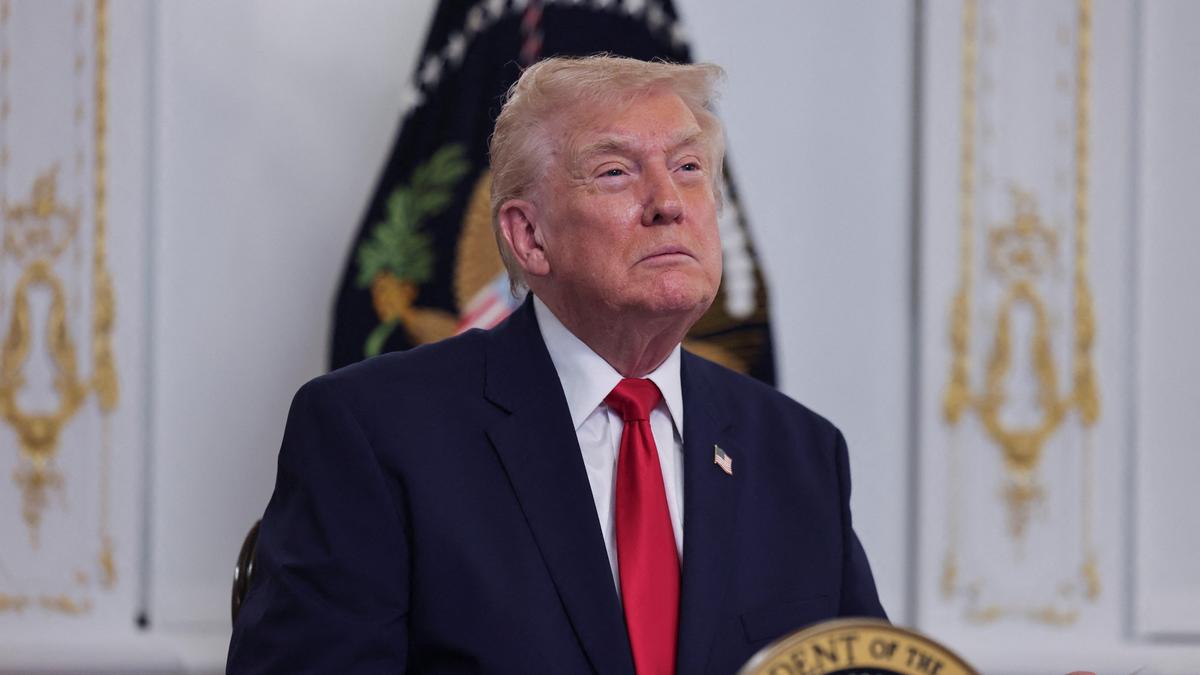
Donald Trump also threatened to reverse “millions” of admissions granted under Joe Biden administration
WASHINGTON — Former President Donald Trump said he plans to “permanently pause migration from all Third World Countries,” outlining one of his most sweeping immigration proposals yet as he campaigns for a return to the White House. The pledge, delivered during a rally on Tuesday and reiterated in follow-up statements, signals a major escalation of his long-standing strategy to restrict immigration as part of national security and economic protection efforts.
Trump did not specify which nations fall under the label “Third World Countries,” a Cold War-era term not used by U.S. agencies, but his statement suggests a large list spanning Africa, Asia, Latin America and parts of the Middle East. The announcement immediately ignites political debate in Washington and draws concern from advocates, diplomats, and legal experts who warn the policy could violate U.S. and international law.
Policy Outline and Rationale
Trump frames the proposed suspension as necessary to “protect American workers” and “restore national safety,” arguing that immigration from economically poorer nations has contributed to rising crime, pressure on schools and hospitals, and strained federal resources. He says the policy would remain in place “until every migrant entering our country can be fully vetted,” though he does not detail the vetting process or how long the pause would last.
In a written statement, campaign officials say the plan would be implemented on “Day One” through executive authority, similar to the travel restrictions Trump issued during his first term. They argue that previous administrations have had the legal power to ban categories of immigrants and that current geopolitical threats justify broad action.
Potential Impact and Scope
Immigration experts note that such a suspension could affect millions of prospective migrants, asylum-seekers, students, family-reunification applicants, and skilled workers from dozens of countries. According to the Department of Homeland Security, more than 70 percent of annual U.S. immigrant visas currently go to applicants from developing nations.
The Migration Policy Institute estimates that a blanket halt could affect more than 600,000 visa applicants per year, including family-based petitions, employment visas, and humanitarian admissions. Refugee organizations warn that the impact on asylum seekers could be severe, as most applicants originate from conflict-affected or low-income regions.
If implemented broadly, the plan could disrupt international student mobility, strain diplomatic relations with U.S. allies in the Global South, and significantly reshape the U.S. workforce in sectors dependent on foreign labor, including healthcare, construction, and technology.
Political Reaction in Washington
Trump’s proposal is welcomed by hardline conservatives and some Republican lawmakers who have made immigration a central campaign issue. Supporters say the U.S. immigration system is overwhelmed, citing record numbers of migrant encounters at the southern border in recent years.
Sen. Tom Cotton of Arkansas says in a statement that a comprehensive pause is “long overdue” and argues that the federal government “must reset the system before admitting more migrants.”
Democrats, however, sharply criticize the plan. Several lawmakers call it discriminatory, unconstitutional, and damaging to America’s global standing. Rep. Pramila Jayapal of Washington says the proposal would “eliminate the legal immigration system as we know it” and “punish families, workers, and students who have followed the rules.”
Civil rights groups also condemn the announcement. The American Civil Liberties Union says it is prepared to challenge any such executive action in court, calling it “a sweeping and unlawful attack on immigrants.”
Legal and Constitutional Questions
Legal scholars say the plan would almost certainly face immediate lawsuits. While presidents have wide authority over immigration, courts have historically required actions to be tied to specific national security concerns rather than broad economic or demographic categories.
The Supreme Court upheld Trump’s 2017 travel ban after revisions narrowed the list of countries and established a formal security review process. Experts say a blanket ban on “all Third World Countries” could be harder to defend without tailored national-security findings for each country involved.
“Any policy based on an undefined and outdated label rather than measurable security criteria would face steep judicial scrutiny,” said Stephen Yale-Loehr, a professor of immigration law at Cornell Law School.
International and Diplomatic Response
Several foreign policy analysts warn that the proposal could strain relationships with key partners across Asia, Africa, and Latin America. Diplomats from multiple regions express concern that the messaging alone could discourage travel, technological cooperation, and educational exchange with the United States.
International organizations also take notice. A spokesperson for the United Nations High Commissioner for Refugees (UNHCR) says the agency is monitoring the statements closely, emphasizing that asylum restrictions must comply with international obligations.
Foreign governments have not formally responded, but analysts expect strong pushback from countries whose citizens heavily rely on U.S. visas for employment, education, and family reunification.
Historical and Political Context
Trump’s announcement continues a pattern of framing immigration as a central issue in his campaign. During his presidency, he implemented the travel ban, reduced refugee admissions, expanded enforcement operations, and pushed for construction of a border wall.
Republican strategists say immigration remains one of the issues on which Trump polls strongest among his base. Polling from Gallup in recent months shows the highest levels of public concern over immigration in more than a decade, with border security ranking among top voter priorities.
Democrats argue that Trump’s messaging deepens political polarization and relies on outdated narratives that fail to address current global migration dynamics.
Reactions From Migrant Communities
The proposal creates immediate anxiety among immigrant communities, particularly those with family abroad. Advocacy groups say they are receiving increased inquiries from migrants worried that ongoing visa applications may be jeopardized.
Community leaders from African, South Asian, Caribbean, and Latin American organizations say the announcement reinforces perceptions of discrimination and racial profiling. Several groups plan public forums, legal workshops, and advocacy campaigns to counter misinformation and offer legal guidance.
Economic Considerations
Economists point out that the U.S. labor market remains heavily dependent on immigration, especially in healthcare, agriculture, STEM fields, and service industries. The U.S. Chamber of Commerce has repeatedly urged lawmakers to expand legal immigration to meet labor shortages.
A comprehensive suspension, experts say, could slow economic growth and affect industries reliant on migrant workers. Universities, which host more than one million international students annually, could also face declining enrollment and revenue losses.
Looking Ahead
Trump’s proposal is expected to become a defining flashpoint in the 2026 race, shaping debates on national identity, labor markets, national security, and America’s role in global mobility. Should he return to the White House, the feasibility of implementing such a far-reaching immigration halt would likely hinge on legal battles, bureaucratic capacity, and diplomatic cooperation.
For now, the announcement signals that immigration will remain among the most contentious political issues in the months ahead, with both major parties preparing for a prolonged policy and messaging battle.
⸻


