
Trump Orders Review of All Afghan Refugees After National Guard Shooting
President halts immigration processing for Afghan nationals, demands re-examination of 190,000 refugees admitted under Biden following D.C. attack by 2021 evacuee.
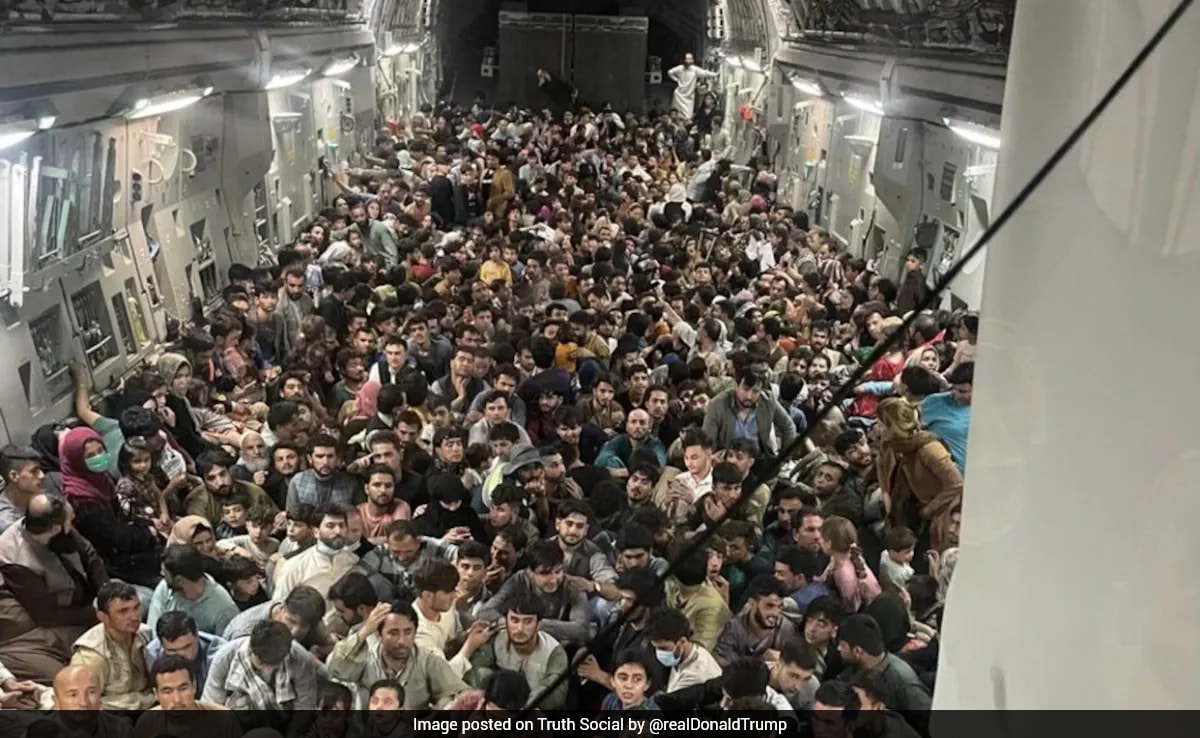
President Donald Trump ordered a comprehensive review of all Afghan nationals who entered the United States during the Biden administration, hours after an Afghan man was identified as the suspect in the shooting of two National Guard members in Washington. U.S. Citizenship and Immigration Services announced it would stop processing all immigration cases related to Afghan immigrants indefinitely pending further review of security and vetting protocols. The directive affects approximately 190,000 Afghans resettled under Operation Allies Welcome and its successor program, raising questions about America's commitment to wartime allies.
Homeland Security Secretary Kristi Noem identified the suspect as 29-year-old Rahmanullah Lakanwal, who entered the U.S. on September 8, 2021. Lakanwal applied for asylum in 2024 and was granted asylum in April 2025, under the Trump administration, according to multiple law enforcement sources. The revelation that asylum was granted under Trump's watch complicates the president's criticism of Biden-era vetting procedures.
Presidential Response and Policy Changes
Trump said in a message released on social media that the shooting was a crime against the entire nation, adding that the U.S. must remove anyone who does not belong here or does not add benefit to the country. In a video address Wednesday night, Trump called Afghanistan a hellhole on earth and described the shooting as an act of terror.
The president's remarks extended beyond Afghanistan to attack other refugee communities. Trump used his message to attack refugees from Somalia who have settled in Minnesota, saying they are ripping apart that once-great state. The broad rhetoric signals the administration's intent to dramatically restrict refugee admissions across multiple populations.
A Trump administration memo on Friday called for a comprehensive review and re-interview of all refugees admitted from January 20, 2021, to February 20, 2025, including U.S. green card holders. The directive potentially affects 200,000 people and represents one of the most sweeping immigration reviews in recent American history. The memo cites a finding by USCIS that the Biden administration potentially prioritized expediency, quantity, and admissions over quality interviews and detailed screening and vetting.
Operation Allies Welcome Background
The program, called Operation Allies Welcome, was created after the 2021 decision to leave Afghanistan following 20 years of American intervention and billions of dollars of aid. Democratic President Joe Biden, who oversaw the withdrawal started by his predecessor, Republican President Donald Trump, said the U.S. owed it to the interpreters and translators, the fighters and drivers and others who opposed the Taliban to give them a safe place outside of Afghanistan.
Over 190,000 Afghans have resettled in the U.S. under both Operation Allies Welcome and Enduring Welcome, according to the State Department. More than 40% of the migrants admitted in the program were eligible for Special Immigrant Visas because they took great risks to help the U.S., or were related to someone who did, according to the Department of Homeland Security.
After leaving Afghanistan, tens of thousands seeking resettlement were housed in temporary facilities at military bases including Joint Base McGuire-Dix-Lakehurst in New Jersey, Fort McCoy in Wisconsin, and Fort Bliss in Texas. After months of health screenings and background checks, many were resettled in established Afghan communities in northern Virginia, Northern California, and Texas.
Vetting Procedures Under Scrutiny
All Afghans who came to the U.S. after the fall of Kabul have been subject to security screenings by intelligence, law enforcement and counterterrorism professionals. According to officials and experts, some evacuated Afghans were vetted multiple times—before leaving Afghanistan and again in transit countries before arriving in the U.S.
CIA Director John Ratcliffe said the Biden Administration justified bringing the alleged shooter to the United States in September 2021 due to his prior work with the U.S. Government, including CIA. The suspect had been stationed at a base in Kandahar as part of a partner force, working with American personnel during the two-decade conflict.
Republicans have long criticized the vetting process as inadequate. House Oversight Chairman Rep. James Comer in 2023 called for increased transparency into the vetting of Afghan nationals relocated to the U.S. in the wake of the chaos and disarray of the U.S. evacuation of Afghanistan. A 2024 Department of Homeland Security Office of Inspector General report acknowledged some failings, including data inaccuracies in files of Afghans who came through the program.
Advocacy Groups Defend Afghan Community
The San Diego-based Afghan advocacy group #AfghanEvac said the shooting should not be used to punish Afghans in the U.S. Shawn VanDiver, the group's president, said Afghan immigrants and wartime allies who resettle in the United States undergo some of the most extensive security vetting of any population entering the country.
VanDiver added that this individual's isolated and violent act should not be used as an excuse to define or diminish an entire community. Groups that help resettle Afghans said the actions of one man shouldn't reflect negatively on the tens of thousands who have gone through the various legal pathways to resettling in the U.S.
Mohammad Saboor, a father of seven who worked as an electrician and air conditioning technician with international and U.S. organizations in Afghanistan, represents the typical profile of those who came through Operation Allies Welcome. Such individuals risked their lives and those of their families to support American missions, facing Taliban retribution after the withdrawal.
Immigration Processing Freeze Impact
The immediate suspension of Afghan immigration processing affects tens of thousands awaiting resolution of their cases. Around the world, over 40,000 Afghans are still actively pursuing resettlement in the U.S., with more than 10,000 approved to relocate. These individuals now face indefinite uncertainty as the Trump administration reviews security protocols.
Since taking office in January, Trump has enacted sweeping changes to US refugee policy and foreign assistance, cutting off thousands of Afghans who helped the US during the war from critical resources. The administration previously ended deportation protections for Afghan refugees, leaving many in precarious legal situations.
The Trump administration had already begun re-interviewing Afghan migrants resettled in the U.S. before Wednesday's shooting accelerated those efforts. The scope and criteria for the review remain unclear, though officials suggest it will examine every individual who entered under Biden-era programs.
Political and Security Implications
The shooting occurred as National Guard members were deployed to Washington as part of Trump's federal takeover of the city and crime crackdown initiated in August. The incident provides political ammunition for the president's hardline immigration agenda while complicating narratives about security vetting and asylum procedures.
Critics note the suspect received asylum approval in April 2025, four months into Trump's presidency, undermining claims that only the Biden administration bears responsibility for vetting failures. The timeline suggests systemic challenges in evaluating individuals with complex backgrounds spanning decades of conflict.
Former DHS Secretary Alejandro Mayorkas defended the program at its two-year anniversary in 2023, stating that Afghan newcomers contribute to the economy, support their families, and enrich the cultural fabric of American society. However, the current administration's focus remains on security concerns rather than economic or cultural contributions.
Legal and Humanitarian Questions
The administration's plan to review green card holders—individuals with permanent resident status—raises legal questions about due process and the extent of executive authority over settled immigrant populations. Immigration attorneys suggest such sweeping reviews could face constitutional challenges, particularly for those who have obtained lawful permanent residence.
The freeze on new applications leaves vulnerable Afghans, including those who worked directly with U.S. military and intelligence agencies, stranded in dangerous circumstances. Many face Taliban persecution due to their American associations, with their only avenue to safety now indefinitely closed.
Human rights organizations have warned that abandoning Afghan allies damages America's credibility with future potential partners in conflict zones. Military and intelligence officials have historically emphasized the importance of demonstrating commitment to local partners who risk their lives supporting U.S. missions.
Broader Refugee Policy Context
Trump's goal is both to deport people in the country illegally and close the country to most refugees. Since taking office in January, the administration has suspended nearly all resettlement programs for nations across the world, dramatically reducing refugee admissions from historic levels.
The Afghan review fits within this broader restrictionist framework, using security concerns as justification for limiting humanitarian admissions. Critics argue the approach conflates distinct categories—illegal immigration, refugee resettlement, and asylum claims—to advance a general anti-immigration agenda.
The immediate political impact remains uncertain. While the shooting provides Trump with a high-profile example supporting his immigration rhetoric, the complexity of the suspect's background and the asylum approval under Trump's watch muddy the partisan narrative both sides seek to advance.
Moving Forward
As investigations continue into both the shooting and the broader review of Afghan refugees, the tension between security concerns and humanitarian obligations remains unresolved. The administration faces pressure to balance legitimate vetting improvements with America's historical commitment to those who aided military operations.
The outcome will affect not only the 190,000 Afghans already in the U.S. but also America's ability to recruit local partners in future conflicts. Military leaders have consistently emphasized that demonstrating loyalty to allies enhances operational effectiveness by encouraging cooperation from populations in conflict zones.
For Afghan families now in limbo, the review creates profound uncertainty about their futures in America. Many have established lives, found employment, and begun integration into American communities. The prospect of re-examination and potential removal disrupts stability for thousands who believed they had found permanent safety after years of danger.
The National Guard shooting tragedy has become a flashpoint in ongoing debates about immigration, national security, and America's international commitments. As the Trump administration proceeds with its comprehensive review, the balance between protecting Americans and honoring obligations to wartime allies will continue generating intense political and policy debates.


