
Trump Brokers DRC-Rwanda Peace Accord, But Will It End Decades of War?
A high-profile White House ceremony aims to end one of Africa's deadliest conflicts, but experts warn the path to lasting peace depends on disarming militias and overcoming deep-rooted distrust.
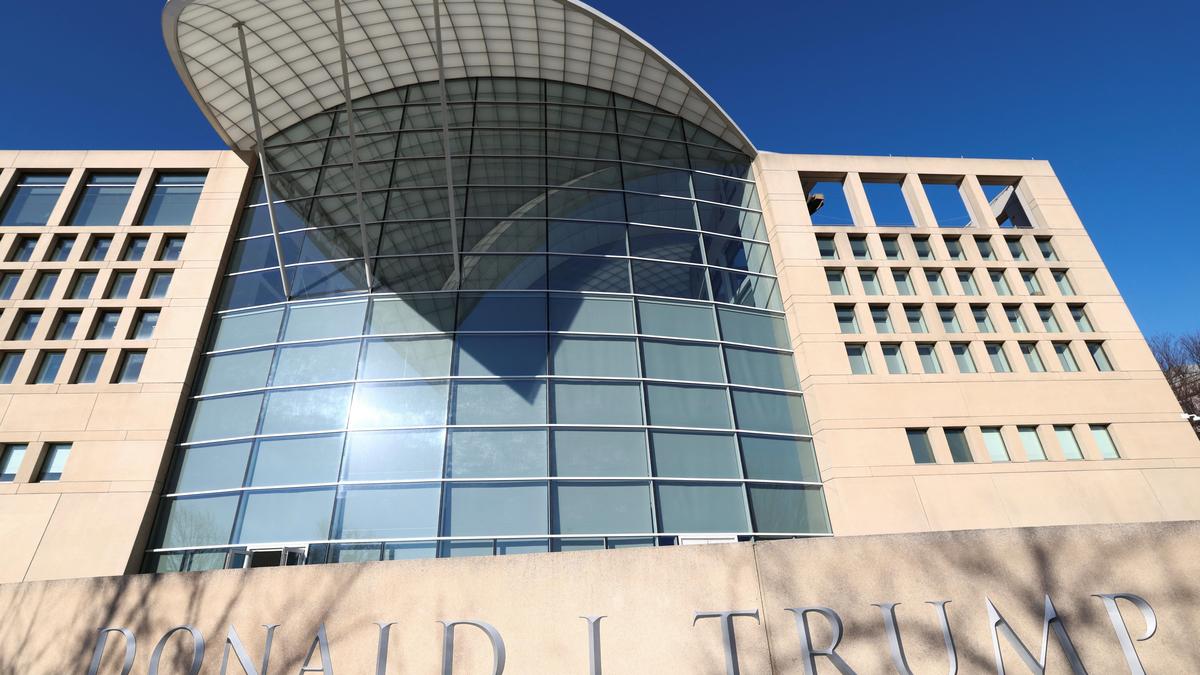
WASHINGTON, D.C. – In a move hailed as a major diplomatic victory by the White House, U.S. President Donald Trump presided today over the signing of a peace agreement between the Democratic Republic of the Congo (DRC) and Rwanda. The signing, held at the recently renamed Donald J. Trump Institute of Peace, comes amid reports of continued intense fighting in eastern DRC, raising immediate questions about the deal's effectiveness.
The agreement formalizes a preliminary deal signed by foreign ministers in June 2025. Its core aims are the withdrawal of Rwandan troops from eastern DRC and an end to Congolese support for the Hutu-led Democratic Forces for the Liberation of Rwanda (FDLR) militia. Crucially, the deal also establishes a framework for regional economic integration, heavily focused on developing the DRC's vast reserves of critical minerals like cobalt and copper.
Why This Matters
This conflict, with roots in the 1994 Rwandan genocide, is one of the world's deadliest and most complex. It has claimed millions of lives over three decades, displaced over seven million people, and involves over 100 armed groups. A successful peace deal would not only end immense human suffering but could also reshape global supply chains for the minerals essential to electric vehicles and modern technology.
Expert Views: A Deal of High Stakes and Deep Skepticism
Experts recognize the agreement's potential but urge extreme caution, pointing to major hurdles:
Implementation is Everything: Analysts stress that the deal's success hinges entirely on implementation, which has already stalled since June. A key weakness is that the main rebel group, M23—which is backed by Rwanda and not a party to this agreement—continues to fight.
The Minerals Question: The U.S. interest in securing access to the DRC's critical minerals is an open part of the deal. Experts warn this must be managed carefully to avoid perpetuating the very "resource curse" of corruption and violence that has long plagued the region.
A Challenge to China: The agreement is seen as a direct geopolitical challenge to China, which currently dominates the DRC's mining sector. This introduces a layer of great-power competition into an already volatile situation.
Need for Local Leadership: Sustainable peace will require empowering Congolese and Rwandan civil society and ensuring transparent, inclusive governance of mineral wealth.
What Happens Next?
The immediate next steps are practical and daunting:
- Enforcing Security: The joint security mechanism must oversee the actual withdrawal of Rwandan troops and the neutralization of the FDLR, objectives that have seen little progress.
- Including M23: A parallel, Qatar-mediated peace process between the DRC government and the M23 rebels must succeed for violence to truly cease.
- Building Trust: Both sides must move past hostile rhetoric. On the eve of the signing, a DRC official accused Rwanda of not wanting peace, citing ongoing combat.
- Impact
A successful deal could bring stability to Central Africa, unlock economic potential for millions, and provide a new model for responsible mineral sourcing. Failure would mean the continuation of a humanitarian catastrophe and could lead to an even wider regional war.
Verified
DRC Presidential spokeswoman Tina Salama sought to deflect criticism that the nation was trading minerals for peace, stating: "This isn't selling out on minerals to the Americans. It's not peace for minerals as has been said."
What We Know So Far
- This ceremony finalizes a deal first reached in principle in June 2025.
- The U.S. sees securing access to the DRC's critical minerals as a top strategic priority.
- Separate negotiations between the DRC government and the M23 rebels are ongoing in Doha, Qatar.
- The United Nations Security Council is monitoring the situation, with concerns about the implementation of past ceasefire commitments.
Today's signing in Washington is a significant political event, representing a high-stakes attempt to halt a decades-long war. However, it is merely the opening of a much more difficult chapter. The accord's promises of peace and prosperity will remain empty until guns fall silent on the ground, armed groups are disarmed, and a foundation of genuine trust and equitable benefit is built between the DRC and Rwanda. The world is watching to see if this deal marks a true turning point or becomes another broken promise in the Congo's tragic history.


