
Migrant Workers Killed, Lost and Traumatized in Hong Kong's Deadliest Fire in Decades
The deadly blaze at Wang Fuk Court, which claimed 146 lives, has left Hong Kong's vulnerable domestic worker community in crisis, struggling with loss, displacement, and an uncertain future.
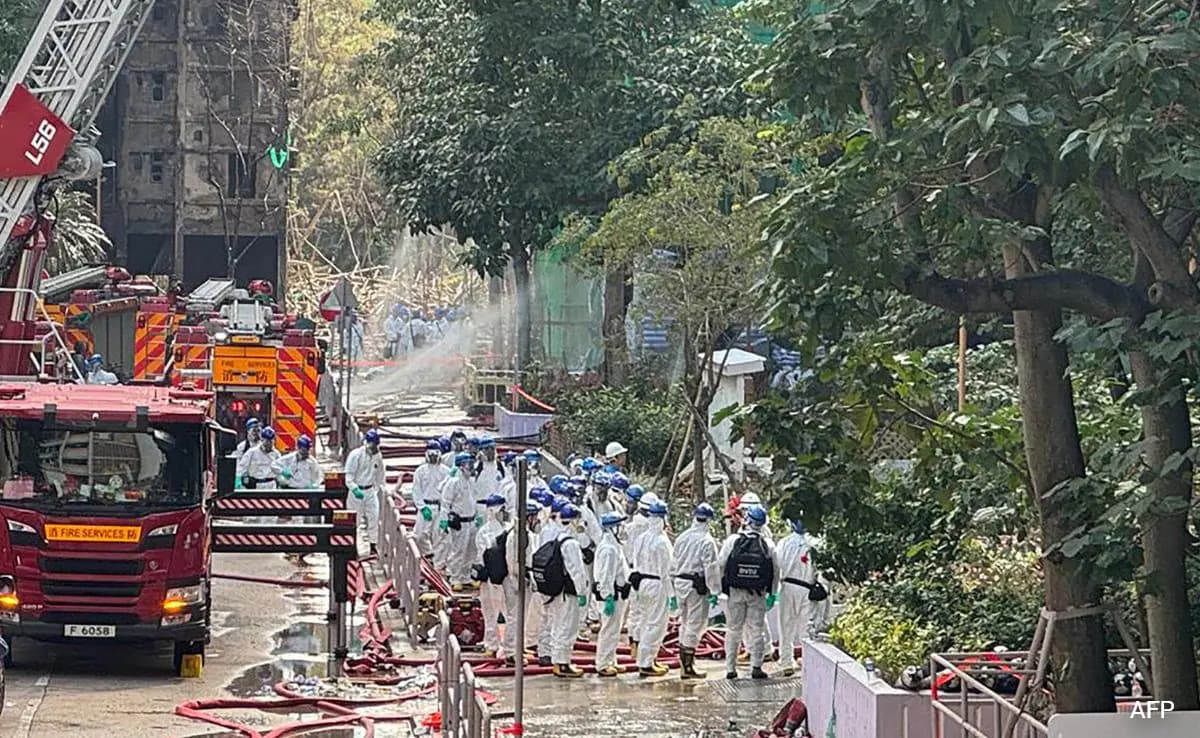
HONG KONG — Hong Kong’s migrant domestic worker community is reeling from loss and facing an uncertain future after a catastrophic fire swept through a high-rise residential complex, killing at least 146 people in one of the city’s deadliest disasters in decades . The blaze at the Wang Fuk Court estate in Tai Po, which burned for over 43 hours starting Wednesday, has killed at least 10 foreign domestic workers and left dozens more missing or injured, highlighting the acute vulnerability of a population critical to the city’s social fabric .
A Community in Mourning and Limbo
Hundreds of migrant workers gathered in parks and on pedestrian streets over the weekend for tearful prayer vigils, mourning friends and colleagues lost in the inferno . For many, the tragedy is compounded by a painful limbo. Dozens remain unaccounted for, with consulates scrambling to verify the whereabouts of their nationals. As of Saturday, the Indonesian consulate reported 79 of its citizens from the complex were still unverified, while Philippine authorities listed 13 nationals as "for verification" . The identification process is slow and grueling, led by police disaster victim identification teams working in darkened, heat-scarred buildings .
Migrant support groups are mobilizing around the clock. They distribute clothing, toiletries, and offer trauma counseling to survivors who escaped with nothing. "She lost all her items, clothes and everything. She doesn’t have a sense of security anymore," said a volunteer describing one domestic worker who survived . Many survivors have lost their passports, visas, and identification, crippling their legal status and ability to work .
Heroism and Heartbreak Amid the Flames
Stories of profound bravery have emerged from the ashes. Filipino domestic worker Vame Mariz Wayas Verador, a single mother of four, recounted carrying her employer's toddler down 17 smoke-filled floors while guiding the child's elderly grandmother to safety . "If I had delayed a few minutes, maybe three, me and grandma and the baby would be gone," she said through tears .
Another Filipina, Rhodora Alcaraz, who had been in Hong Kong for only a few days, was found by firefighters in a smoke-filled apartment still cradling her employer's three-month-old infant, whom she had shielded with her body . She suffered severe burns and remains in intensive care. These acts have sparked public calls for these workers, often called "helpers," to be recognized as having died or been injured "in the line of duty" .
Systemic Vulnerabilities Laid Bare
The disaster has exposed the precarious legal and social position of Hong Kong's nearly 370,000 migrant domestic workers . Their right to remain in the city is tied to a specific employment contract under the Immigration Ordinance. If they lose their job, they typically have just 14 days to find new employment and a new visa sponsor or face becoming "overstayers," subject to deportation .
This "two-week rule" now looms large for workers whose employers perished in the fire or were displaced. "If they get terminated and they are traumatised by this incident, it's a double whammy for them," said Edwina Antonio, executive director of the Bethune House migrant women's refuge . Support groups report already assisting workers whose employment was terminated in the fire's aftermath, pushing them toward shelter systems .
Questions of Compensation and Support
While the Hong Kong government has pledged condolence payments of HK$200,000 (US$25,700) to families of the deceased, it remains unclear if this assistance will extend to the families of migrant workers killed . Advocates are urgently calling for their inclusion. "We’re actually appealing to the Hong Kong government to include the foreign domestic workers in those benefits, because they also lost everything," Antonio said . She emphasized that these workers are often the sole breadwinners for families abroad .
Labour and Welfare Secretary Chris Sun thanked foreign domestic helpers at Wang Fuk Court, noting many "took care of elderly people and children" and stayed with their employers during the fire . He promised "all the necessary assistance," but specifics for migrant workers are still emerging .
A Catalyst for Broader Scrutiny
The fire has triggered nationwide inspections of high-rise building safety in China and intense scrutiny in Hong Kong over the use of flammable polystyrene foam panels and bamboo scaffolding in renovations . Authorities have arrested 11 people linked to the renovation work, including on suspicion of manslaughter and corruption, and suspended work on 28 projects by the main contractor . A critical failure has been confirmed: fire alarms in all eight towers of Wang Fuk Court did not sound during the blaze .
Perspective
The Wang Fuk Court fire is a multi-layered tragedy. Beyond the immediate horror of mass casualties, it serves as a stark stress test for the systems governing Hong Kong's migrant domestic workers. In the coming weeks, the efficacy of humanitarian and bureaucratic responses will be measured. Key questions remain: Will the government's financial and housing assistance explicitly include migrant workers? How will consulates and NGOs expedite document replacement and mental health support? Will the trauma and disruption lead to a wave of contract terminations, forcing vulnerable women into legal jeopardy?
The disaster has momentarily lifted the veil on the indispensable yet often overlooked role these workers play. Their heroism has been noted, but lasting change requires moving beyond gratitude. It demands a critical examination of policies like the "two-week rule" that compound personal tragedy with institutional peril, ensuring that the system tasked with protecting them does not exacerbate their crisis in its darkest hour.


