
India Signs $2 Billion Submarine Lease from Russia as Putin Visits: Report
India continues to maintain longstanding ties with Moscow while pursuing deeper links with the US.
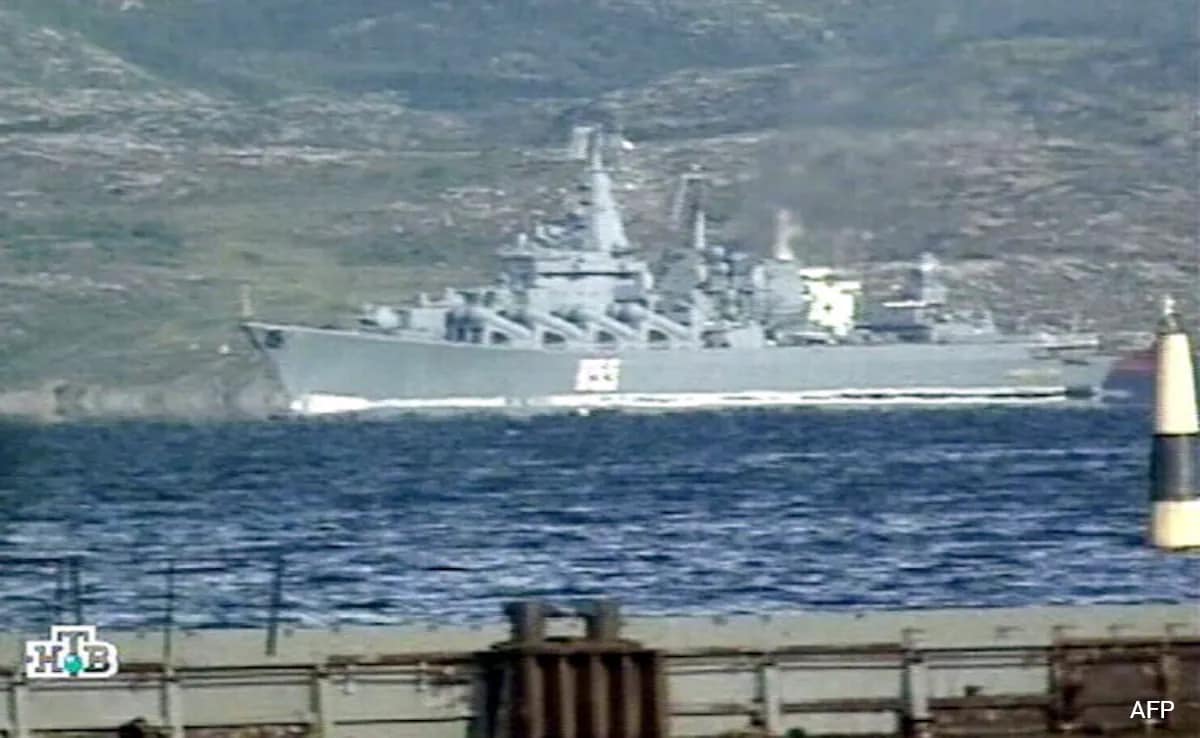
New Delhi: India has finalised a $2 billion deal to lease a nuclear-powered attack submarine from Russia, state and defence sources say, with the agreement coinciding with the high-profile visit of Russian President Vladimir Putin to New Delhi. The pact — reportedly signed ahead of the two-day India–Russia summit — marks a major boost to India’s undersea warfare capabilities.
Decade-Long Negotiations Finally Closed
Discussions over leasing a Russian build submarine have been ongoing for nearly ten years. The new agreement reportedly shifts those plans into motion, with India poised to take on a Russian-built nuclear-attack submarine under an arrangement worth around $2 billion.
Experts say the lease is not merely a one-off but part of a broader strategy to shore up the Indian Navy’s underwater capabilities amid growing maritime competition in the Indo-Pacific region. Until now, delays — including those tied to global geopolitics and technical issues — had stalled progress.
Strategic Context: Why the Submarine Lease Matters
Acquiring a nuclear-powered submarine gives India advantages that diesel-electric submarines can’t match: longer endurance, greater stealth, and sustained underwater operations. Such assets are critical for projecting power and maintaining deterrence in the Indian Ocean, especially given rising regional naval activity.
Analysts note this deal comes at a time when India is simultaneously modernizing its naval fleet, while also advancing indigenous submarine programs. The lease serves as a “bridge capability”—helping the Indian Navy maintain undersea deterrence strength while domestic submarine construction progresses.
The Deal under Putin’s Visit: Diplomacy Meets Defence
President Putin’s visit to India on December 4–5, 2025, has added weight to the timing of the submarine deal. The visit — first since the Russia-Ukraine war started — is widely viewed as a reaffirmation of the longstanding strategic partnership between Moscow and New Delhi. Alongside energy cooperation and broader defence ties, the submarine lease stands out as a substantial commitment Venezuela-style anchor of trust between the two nations, even as India balances other global partnerships.
What the Lease Could Mean Operationally
- Rapid capability boost: With the lease submarine, India gains a ready-made nuclear-capable underwater platform, bypassing the long lead times required for building a domestic nuclear submarine.
- Enhanced deterrence: The submarine strengthens India’s blue-water capability, essential for safeguarding sea lanes and projecting power far from home waters.
- Training and doctrine benefit: Operating a top-tier Russian submarine allows Indian naval crews to train on modern systems, improving readiness and experience ahead of future indigenous deployments.
Domestic Submarine Plans Continue in Parallel
Despite relying on this lease, India has not shelved its ambition for domestic submarine production. Under ongoing submarine acquisition programmes, including new diesel-electric submarines and indigenous designs, the Navy aims to reduce reliance on foreign leases over time.
The lease should therefore be seen as a transitional move — reinforcing undersea capability now, while longer-term self-reliance initiatives mature.
Geopolitical Implications and Global Watch
The deal arrives at a moment when global geopolitics are sharply polarized. India’s acquisition of a Russian submarine is likely to be closely watched by other global powers, especially in light of tensions arising from the war in Ukraine and Western concerns. At the same time, New Delhi’s decision reflects its balancing act between strategic autonomy, regional security needs, and evolving international relationships.
Given Russia’s own constraints under sanctions and defence-industrial disruption, the successful closing of this submarine lease also underscores the resilience and pragmatic cooperation in the India–Russia defence partnership.
What’s Next: Delivery, Integration, and Indian Navy Upgrades
According to reports, the leased submarine is expected to be delivered to India within a specified period, although timelines could shift depending on technical refurbishments and Russian shipyard readiness. Once inducted, the Indian Navy will likely integrate the submarine into its fleet for patrols, training, and as a strategic deterrence tool. Meanwhile, focus on building indigenous submarines and advanced maritime assets continues unabated.
In sum, the $2 billion submarine lease from Russia marks a landmark moment in India’s maritime strategy — blending immediate capability gains with long-term ambitions for defence self-reliance. As President Putin visits New Delhi, the deal symbolises a renewed defence partnership at a time of global uncertainty, reinforcing India’s position as a rising naval power in the Indo-Pacific.


