
Bangladesh Faces Outrage as Attacks on Baul Singers Continue Despite Government Arrest Orders
Yunus’ interim government pledges action after violence against Baul artists, but absence of arrests fuels public anger and rights-group criticism.
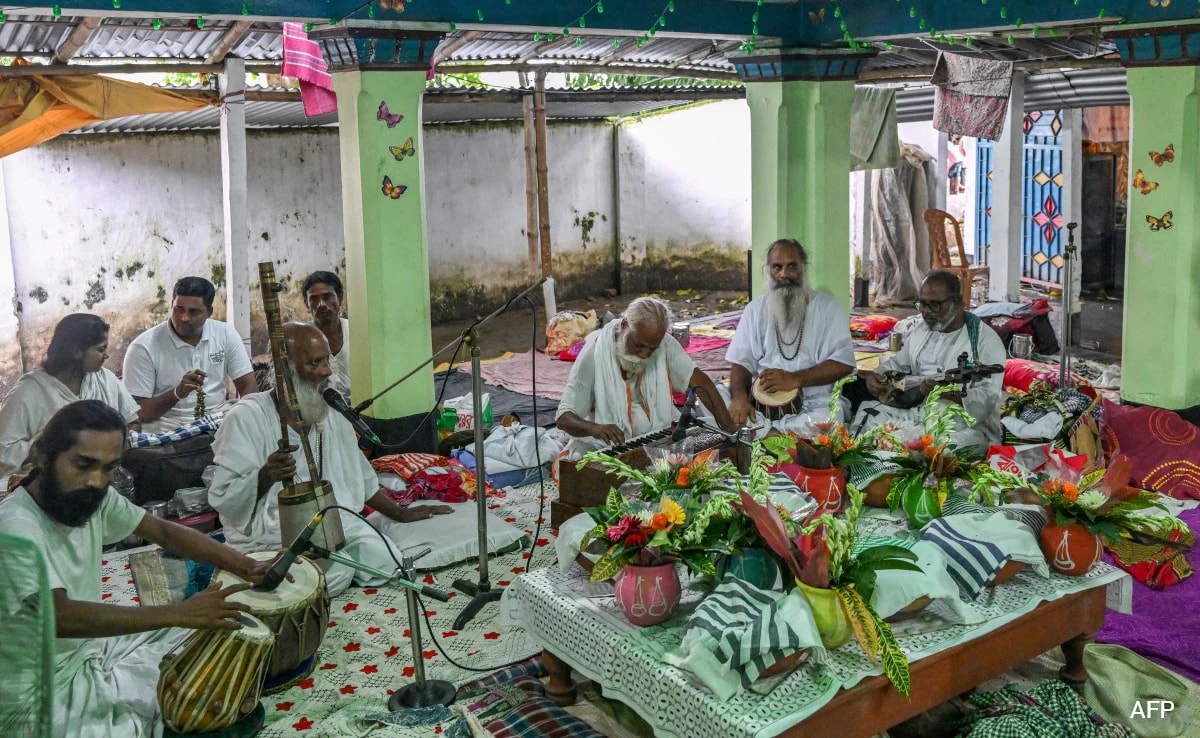


DHAKA, Bangladesh — Bangladesh’s interim government, led by Nobel laureate Muhammad Yunus, says it has ordered law-enforcement agencies to arrest those responsible for a wave of violent attacks on Baul singers across the country. But despite the instructions, officials confirm that no arrests have been made, drawing mounting criticism from cultural groups, human rights activists and opposition leaders.
The renewed attacks, which have targeted Baul musicians in multiple districts over recent weeks, have intensified fears about shrinking cultural freedoms in Bangladesh. Baul singers, known for their syncretic spiritual music and centuries-old folk traditions, have long faced hostility from hardline groups opposed to their liberal practices. The latest incidents—with performers beaten, threatened or barred from singing—have sparked nationwide anxiety and international concern.
⸻
Government Promises Action but Offers Few Details
The Yunus administration, appointed earlier this year to oversee a stabilizing transitional period, says it has taken “serious note” of the violence. Government spokespersons maintain that instructions have been communicated to police superintendents in affected regions, particularly in Kushtia, Jashore and Mymensingh, where several attacks have occurred.
Officials say they are “verifying leads” and conducting field inquiries but decline to specify what progress has been made. They also insist that a “structured response” will emerge after investigations conclude.
However, critics argue that the government’s assurances remain vague, lacking clear timelines, public briefings, or proof of concrete action. The absence of arrests weeks after the initial attacks, they say, undermines confidence in the administration’s commitment to protecting cultural minorities and vulnerable communities.
⸻
Baul Community Expresses Fear and Frustration
Members of the Baul community—an iconic and deeply respected part of Bengali heritage—say they feel increasingly unsafe. Several artists who spoke to local media report receiving threats urging them to stop singing in public spaces or abandon their practices altogether.
Some recount being attacked during late-night performances or on the way home from events. In one widely publicized case, a singer in Kushtia was severely beaten by a group of masked men who accused him of “ungodly practices.”
Baul groups argue that the state’s slow response emboldens hostile elements. “We respect every religion and every citizen of this country,” one Baul singer said. “But if the government cannot protect us, our music will disappear from the soil where it was born.”
Historians note that Baul traditions—associated with icons like Lalon Shah—have shaped Bengali identity for centuries. Any attack on them, they argue, represents an attack on the pluralist ethos of the region.
⸻
Human Rights Organizations Demand Accountability
Domestic and international rights groups have condemned the attacks and the lack of arrests. Several organizations—including Ain o Salish Kendra (ASK), the Bangladesh Hindu-Buddhist-Christian Unity Council, and international bodies monitoring artistic freedom—have issued statements urging swift government intervention.
These groups stress that Bangladesh has binding legal obligations under its constitution and global human-rights frameworks to safeguard cultural expression. They warn that prolonged inaction may signal permissiveness toward extremist violence.
One Dhaka-based civil rights activist said the incidents illustrate a “disturbing pattern” of delayed law-enforcement response toward cultural minorities. “Every time there is violence against artists, writers or performers, authorities promise to investigate,” the activist said. “But without arrests, those promises hold little meaning.”
⸻
Opposition Leaders Use the Issue to Challenge Government
Opposition parties, including the BNP and several left-leaning groups, have seized on the attacks to question the Yunus administration’s credibility. They accuse the government of being “out of touch” with ground realities and ineffective at ensuring law and order.
Party leaders claim that the failure to arrest perpetrators signals administrative weakness and deteriorating civil protections. Some allege that extremist networks are gaining confidence due to inconsistent policing practices across districts.
Government supporters counter that the administration inherited a volatile security climate and is working to stabilize institutions weakened by years of political tensions. They argue that structural reforms and enhanced coordination between police units take time to yield results.
⸻
Historical Tensions Between Bauls and Hardline Elements
Cultural scholars emphasize that clashes over Baul traditions are not new. For decades, conservative religious groups have objected to Baul beliefs, which incorporate elements of Sufism, Vaishnavism and local mystic traditions. Their rejection of rigid orthodoxy and caste distinctions has historically put them at odds with extremist factions.
Past governments have periodically intervened to protect Baul festivals, shrines and performers, but enforcement has been uneven. Several incidents involving vandalism of Baul akhras (spiritual centers) and harassment of performers have been documented over the last two decades.
Experts warn that if the current attacks are not addressed firmly, more incidents may follow, potentially pushing Baul communities into self-imposed isolation or forcing them to abandon public performances.
⸻
Law Enforcement Faces Questions Over Delays
Senior police officials acknowledge receiving directives but remain cautious about naming suspects. They say investigations are complicated by the isolated nature of many attacks and limited eyewitness cooperation.
Some officers argue that local communities often hesitate to testify against extremist groups due to fear of reprisals, slowing progress. Others say policing rural areas—where Baul performances often occur—requires more resources than currently available.
Critics, however, reject these explanations, noting that the same law-enforcement system has acted quickly in cases involving political protests or public-order concerns. Rights advocates say the delays raise concerns about selective policing.
⸻
Cultural Impact and What Comes Next
Cultural institutions worry that the violence may discourage younger artists from pursuing Baul traditions. Educational programs in folk music already face declining enrollment, and performers fear that escalating hostility could accelerate that trend.
Several civic groups have planned peace marches, cultural gatherings and solidarity concerts to show support for the Baul community. Organizers hope that public pressure will compel authorities to act decisively.
Observers say the Yunus government—positioned as a reformist and rights-focused administration—has much at stake. Effective intervention could strengthen its legitimacy, while continued inaction could expose it to growing scrutiny at home and abroad.
For now, Baul singers await visible action. With each passing day without arrests, anxieties deepen, and communities fear that a vital part of Bangladesh’s cultural fabric remains exposed to further violence.


