
Vladimir Putin's two-Day India Visit Begins Today, Defence, Trade On Agenda: 10 Points
Russian President Vladimir Putin begins a two-day visit to India today, which includes a private dinner hosted by Prime Minister Narendra Modi and the 23rd India-Russia annual summit.
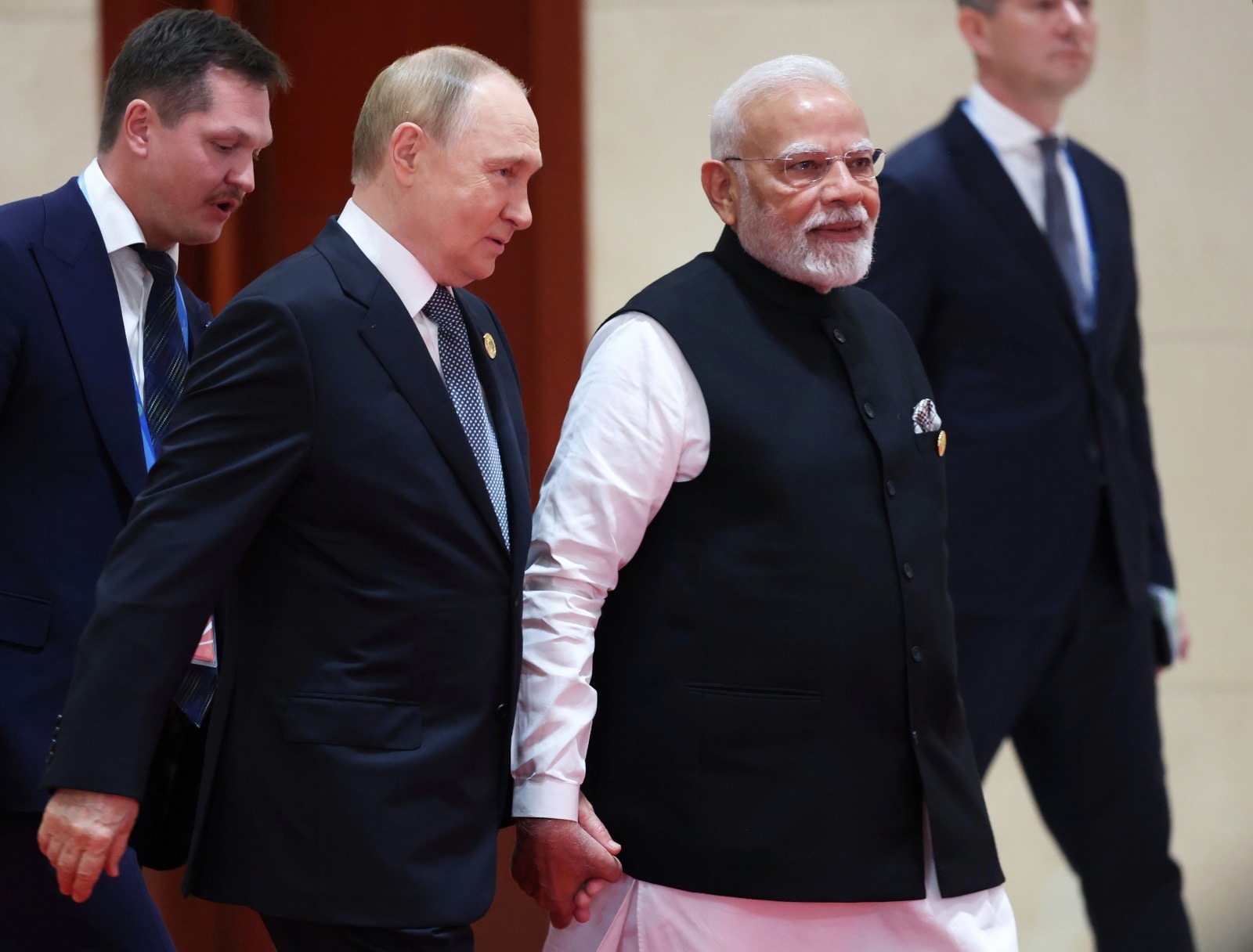


New Delhi: Russian President Vladimir Putin arrives in New Delhi today for a two-day visit that will centre on defence collaboration, energy supplies, and ways to deepen bilateral trade — including greater use of national currencies and labour mobility pacts. The visit includes a private dinner hosted by Prime Minister Narendra Modi, the annual India-Russia summit, and a slate of ministerial and business meetings aimed at translating political ties into concrete deals.
This trip is the highest-level engagement between the two countries in several years and comes at a delicate moment for global geopolitics and supply chains. Below we explain what’s on the table, why it matters for India, and the 10 key takeaways to watch during and after the summit.
Why this visit is the talk of the nation
India-Russia share a decades-long strategic partnership that spans defence, nuclear energy, and diplomatic coordination. But since the Ukraine war and subsequent global shifts, New Delhi has diversified its suppliers while simultaneously expanding energy imports from Moscow. The visit is therefore aimed at recalibrating and deepening ties — with a practical focus on defence modernisation, securing energy, and making trade more resilient to sanctions and currency volatility.
Defence cooperation: modern systems and joint projects
Defence is expected to be a headline issue. Officials and media reports say the two sides will discuss co-development and upgrades of critical platforms — from BrahMos cruise missile variants to advanced systems with higher ranges and precision. There are also likely to be talks about importing and co-producing newer Russian platforms and technologies as India seeks to modernise its inventory while sustaining domestic production under ‘Make in India’ principles.
Energy and oil: securing supplies amid global volatility
Energy security remains central. India has been a major buyer of Russian oil and petroleum products, often at discounted rates compared with market prices. Leaders will look for long-term frameworks to stabilise supplies and pricing, including mechanisms to protect trade flows from disruptions. The energy relationship is a significant driver of the trade imbalance that both sides say they want to address.
De-risking trade: rupee-rouble settlements and banking ties
One practical aim of the visit is to expand trade settlement in national currencies. Russian banks and businesses have been exploring rupee/rouble mechanisms to circumvent dollar-based sanctions pressure. Russian Sberbank has publicly said it is working to boost Indian-Russia imports and has seen a spike in rupee accounts, signalling a push to operationalise local-currency trade channels. Expect announcements on banking, payments and possibly a roadmap for wider bilateral trade in rupees and roubles.
Labour mobility and economic cooperation
Beyond goods, officials are reportedly discussing labour mobility and skilled worker exchanges. Russia faces demographic and labour shortages in some sectors, and India can supply skilled manpower — a topic that dovetails with economic and business delegations accompanying the leaders. These discussions could lead to pilot agreements or memoranda easing worker movement for specific industries.
Geopolitics and diplomatic messaging
While both capitals emphasise an independent foreign policy, the visit will inevitably carry geopolitical signals. India has sought to balance its relationships with Western partners and Russia; this summit provides India an opportunity to underline its strategic autonomy while advocating for a diplomatic solution to regional conflicts. India is expected to reiterate calls for dialogue and restraint in wider international disputes.
Technology, media and soft power
Reports indicate additional cooperation in technology, space, and media. There have been discussions at the media level — including potential partnerships in broadcasting — as both countries seek to expand their narratives and people-to-people contacts. Expect announcements around cultural exchanges, academic ties, and tech collaboration during the two days.
Business and commercial deals on the cards
A major feature of such visits is the business delegations. Ministers and CEOs from both sides will push for concrete contracts — from defence offsets and joint ventures to energy contracts and increased bilateral commerce in sectors such as pharmaceuticals, machinery and information technology. Some deals could be framed as multi-year programmes rather than single purchases.
What to watch in the next 48 hours
1. Any signing on rupee-rouble trade or a banking pact that eases payments.
2. Defence memorandums (BrahMos upgrades, co-development agreements).
3. Energy tie-ups — long-term supply contracts or pricing frameworks.
4. Announcements on labour mobility or skilled worker programmes.
5. Commercial MoUs and private sector deals signed by delegations.
Ten key takeaways (quick list)
1. Putin’s two-day visit to New Delhi begins today and includes the annual summit and a private dinner hosted by PM Modi.
2. Defence cooperation — including missile upgrades and potential new co-development — is a top agenda item.
3. Energy security and long-term oil supplies will be negotiated amid global market volatility.
4. Both countries are pushing to expand trade in national currencies to reduce exposure to sanctions.
5. Russian banks and businesses are actively promoting rupee accounts and import channels.
6. Labour mobility pacts are being explored to address workforce needs.
7. Business delegations may announce defence offsets, joint ventures and energy contracts.
8. India will press for diplomatic solutions and reiterate its independent foreign policy stance.
9. Technology, media and cultural cooperation could see fresh agreements or MoUs. 10. Outcomes will balance strategic interests with economic pragmatism, not sweeping geopolitical guarantees.


