
Court Ruling Favors Jay Dehadrai as Dog ‘Henry’ Remains in His Custody
Jai Anant Dehadrai secures custody of Henry, the Rottweiler, after Saket District Court dismisses Mahua Moitra's application in their ongoing dispute.
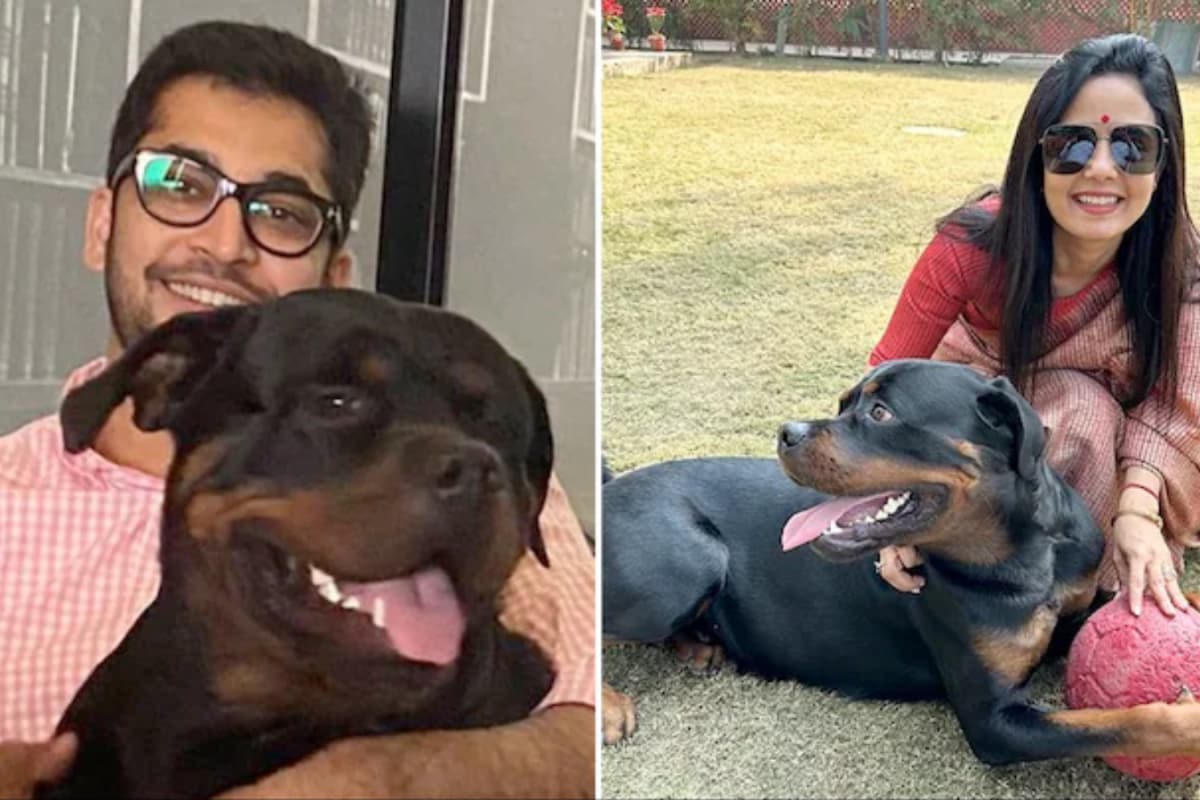
Jai Anant Dehadrai secures custody of Henry, the Rottweiler, after Saket District Court dismisses Mahua Moitra's application in their ongoing dispute.
Legal battle between attorney Jay Dehadrai and MP Mahua Moitra over pet dog Henry sees key court order, intensifying ongoing dispute.
⸻
‘Henry Is Safe’: Jay Dehadrai Claims Win in Dog Custody Case Against Mahua Moitra
NEW DELHI — Attorney Jay Anant Dehadrai on Thursday said he has secured a “major legal victory” in his long-running dispute with Trinamool Congress MP Mahua Moitra over the custody of their pet dog, Henry, after a court allowed the animal to remain with him. The decision marks the latest development in a contentious legal and personal battle that has unfolded alongside Moitra’s separate political and ethical controversies.
Dehadrai, who has been in a public and legal conflict with Moitra for more than a year, announced the outcome on social media, writing, “Henry is safe.” His claim followed a court hearing in Delhi, where the judge declined to grant Moitra immediate physical custody of the Labrador retriever, a matter both parties have framed as deeply personal.
A Dispute That Spilled Into Public View
The dispute over Henry first surfaced in 2023 when relations between Dehadrai and Moitra deteriorated sharply. What began as a private disagreement escalated into a public conflict that extended into political and legal arenas, particularly after Dehadrai alleged misconduct by Moitra in an unrelated matter involving business interests and ethical violations.
The quarrel over the dog soon became symbolic of the broader animosity between the two. Each has accused the other of weaponizing Henry’s custody as leverage, though both maintain the animal’s welfare remains paramount.
Court documents show Moitra had petitioned for Henry’s retrieval, claiming she was the primary caretaker for years and alleging that Dehadrai wrongfully retained the dog after their fallout. Dehadrai, in turn, argued that he has been the sole caregiver since the separation and that relocating Henry would cause distress.
Court’s Observations and Interim Relief
According to individuals familiar with the hearing, the judge declined Moitra’s request for immediate handover and instead scheduled further proceedings to determine long-term arrangements, including assessment of the dog’s well-being and review of prior ownership records.
While the court has not made a final ruling on permanent custody, its decision to allow Henry to remain with Dehadrai for now was celebrated by him as a “win” and a reassurance of the dog’s safety. Moitra has not publicly commented on the order, though associates say she is likely to pursue all legal avenues.
A senior advocate not involved in the case said the court’s interim order reflects a standard approach. “Pet custody disputes follow welfare-first principles,” he said. “Courts generally prioritize stability. If a pet is already settled with one party, judges may avoid sudden relocation unless there is evidence of harm.”
Legal Background and Emerging Tensions
The fallout between Moitra and Dehadrai predates the custody case. In 2023, Dehadrai submitted a complaint to investigative agencies alleging Moitra engaged in unethical conduct, an accusation she has denied. The allegations sparked political controversy, including parliamentary inquiry, intensifying hostilities between the two.
Amid this backdrop, the battle over Henry evolved into a parallel legal skirmish. Court filings reflect disagreements over veterinary records, vaccination schedules, and previous care arrangements. Lawyers for both parties have attempted to establish who legally owns the dog, who purchased him, and who primarily raised him.
The attorney for Dehadrai argued that evidence including microchip ownership and caregiving timelines supports his case. Meanwhile, Moitra’s legal team asserted that she had nurtured Henry since puppyhood and that the dog was effectively taken from her without consent.
Emotional Undercurrents and Public Reaction
The case has drawn significant public attention, not only due to Moitra’s political profile but also because pet custody disputes are relatively uncommon in Indian courts. Social media commentary has reflected a mix of concern for Henry’s well-being and fascination with the personal dimension of the conflict.
Animal welfare groups have weighed in cautiously. One Delhi-based NGO urged the court to consider appointing an independent veterinary assessment. “Henry’s best interest should guide the court’s final decision,” the group said in a statement. “Stress levels, attachment patterns, and living conditions must be evaluated objectively.”
Psychologists note that disputes involving pets often mirror the emotional intensity of custody battles involving children. “Companionship animals hold significant emotional value,” clinical psychologist Dr. Rina Vaid said. “When relationships break down, pets can become symbols of loss, control, or emotional security.”
Legal Standards for Pet Custody in India
Indian law does not explicitly address pet custody in personal disputes, leading courts to apply general principles derived from property law and welfare considerations. While pets are legally considered “property,” judges increasingly adopt a welfare-centered approach.
In recent years, courts in Kerala, Delhi, and Punjab have issued orders emphasizing compassion and humane treatment, reflecting evolving social recognition of animals as sentient beings.
Legal scholars say cases like Moitra v. Dehadrai underscore the need for clearer legislative frameworks. “We are seeing more pet custody disputes as pet ownership rises,” said legal researcher Shankar Iyer. “Without guidelines, courts must improvise, which can lead to inconsistent outcomes.”
Potential Implications for Moitra
The dispute arrives at a delicate time for Mahua Moitra, who continues to navigate political scrutiny and legal challenges from past allegations. Analysts say the custody case does not directly affect her political standing, but the public narrative contributes to an increasingly complex personal and professional landscape.
Political observers also note that Moitra’s opponents may amplify the controversy, citing it as evidence of her being embroiled in continual disputes. However, her supporters argue the case is a private matter and should remain separate from political debates.
What Comes Next
The court is expected to review ownership documents, veterinary reports, and witness statements in upcoming hearings. It may also seek expert evaluation on Henry’s psychological and physical well-being before ruling on permanent custody.
Next steps could include:
• Appointment of an animal behaviorist
• Independent medical assessment
• Review of microchip registration
• Inspection of living conditions in both households
Until then, Henry remains with Dehadrai. In his statement, he expressed relief and said the ruling offered “stability after a difficult year.”
Legal experts emphasize that the final outcome may differ from the interim arrangement. “Interim custody doesn’t always predict final orders,” the senior advocate said. “What matters is evidence and welfare assessments.”
A Broader Conversation About Animal Welfare
The case has reignited discussions about animal rights, legal recognition of pets, and the emotional significance of companion animals in human relationships. Advocacy groups say this moment presents an opportunity to update laws to reflect modern attitudes.
“Pets are family to millions,” said an animal rights activist based in Bengaluru. “Our legal system must evolve to acknowledge that truth.”
As proceedings continue, attention remains fixed on the Delhi courtroom—and on Henry, the Labrador at the center of an unusually public dispute. While the case touches political, legal, and emotional nerves, both parties publicly assert a shared goal: ensuring Henry’s well-being.
For now, Jay Dehadrai says he is satisfied with the court’s direction. “Henry is safe,” he wrote. The next hearing is expected in the coming weeks, where the court will take a step closer to deciding where Henry ultimately calls home.


