
BJP Claims Majority in Delhi MCD Bypolls, Securing 7 of 12 Wards in Key Test
Polling was held on 30 November across 580 booths, following 12 vacancies created when 11 councillors were elected to the Delhi Assembly and one to Parliament.
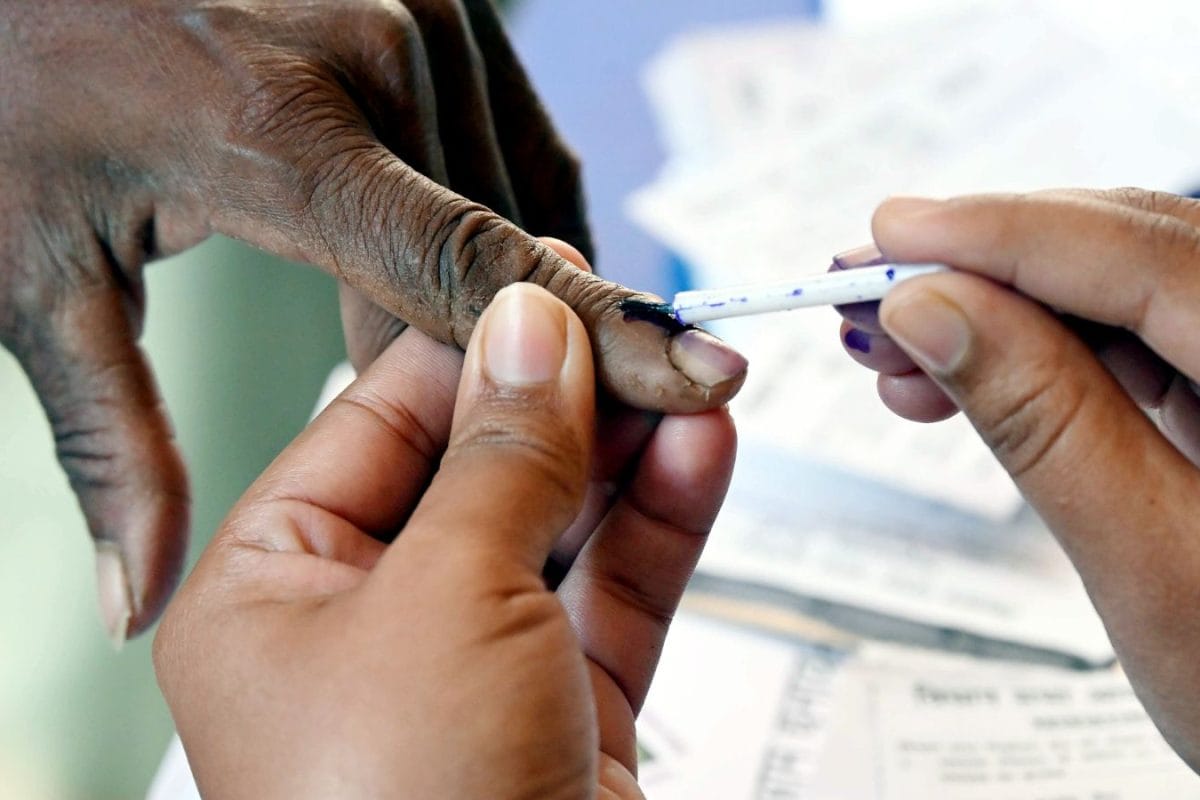
Polling was held on 30 November across 580 booths, following 12 vacancies created when 11 councillors were elected to the Delhi Assembly and one to Parliament.
AAP manages three wins while Congress takes two; results seen as an indicator of shifting political currents ahead of 2025 assembly elections
⸻
BJP Leads in Crucial Civic Poll Test
The Bharatiya Janata Party secures a clear lead in the Delhi Municipal Corporation (MCD) bypolls after winning seven of the 12 wards where voting took place on Sunday, according to results released Tuesday afternoon. The Aam Aadmi Party wins three seats, while the Congress manages to capture two, signaling a mixed but significant political message ahead of the state’s upcoming electoral cycle.
The bypolls, held across multiple wards in north, south, and central civic zones, are viewed as an informal referendum on local governance, municipal service delivery, and the performance of the ruling AAP government at the state level. Counting begins at 8 a.m. in all designated centers and concludes by noon, officials say.
⸻
Ward-Wise Breakdown of Results
While the full official notification is expected later in the day, election officials share preliminary tallies indicating the following distribution:
• BJP – 7 seats
• AAP – 3 seats
• Congress – 2 seats
Most BJP wins come from areas with ongoing civic issues such as garbage clearance, encroachment drives, and infrastructure works. AAP retains its strongholds in pockets of East Delhi and outer regions, where its welfare-based messaging remains influential. Congress, though not a dominant player in Delhi politics in recent years, makes a surprising re-entry with two wins.
⸻
Turnout and Voting Patterns
Election Commission data shows a turnout of roughly 51%, consistent with previous civic bypolls. Urban turnout trends—often influenced by mobility, migration, and voter apathy—play a visible role in highly populated wards.
Women voters register strong participation, particularly in wards where local issues such as water supply, safety, and sanitation heavily shape the urban electoral conversation.
Political analysts note that while the turnout does not radically shift historic patterns, it does highlight stable participation across demographic groups.
⸻
Political Reactions From All Major Parties
BJP Calls Results a “Mandate Against AAP Governance”
State BJP president Virendra Sachdeva says the results reflect public dissatisfaction with what he describes as “unkept promises” and deteriorating civic infrastructure on the watch of the AAP government.
“People want accountability, especially on pollution, waterlogging, and the garbage crisis. This vote is a message,” he tells reporters on Tuesday afternoon.
AAP Says Results Reflect “Local Factors, Not Statewide Trends”
AAP leadership acknowledges its three wins but says the split outcome reflects hyper-local voter concerns rather than a broad shift in political sentiment.
AAP MLA and former minister Atishi states, “Bypolls are influenced by ward-level issues. Our governance model continues to be trusted in Delhi, and this does not change that.”
She adds that the party will analyze its losses to strengthen organizational presence in the affected wards.
Congress Celebrates Rare Wins
Congress Delhi chief Devender Yadav welcomes the two victories, saying the party’s grassroots-level campaigns and renewed local alliances are beginning to show results.
“We are rebuilding step by step,” he says. “These wins indicate that voters are looking for alternatives beyond the two major parties.”
⸻
Key Issues That Influenced the Vote
1. Waste Management and the Landfill Question
Delhi’s long-standing landfill crisis remains a focal issue in the bypolls. The BJP campaigns strongly on MCD-managed waste systems, claiming that AAP has failed to offer structural solutions. AAP counters by highlighting the merger of the three MCDs in 2022 and the “legacy waste processing programs” initiated thereafter.
2. Water Supply and Urban Services
Voters in areas affected by irregular water supply lean toward change, with ground reports showing mixed reactions toward the Delhi Jal Board’s performance. Experts say these concerns likely shape outcomes in at least three wards.
3. Local Infrastructure and Unauthorized Constructions
Multiple wards face ongoing demolition, regularization, or illegal construction issues—factors that significantly shape voter sentiments. Residents often vote based on which party they believe can resolve these issues swiftly.
⸻
Election Commission’s Role
The Election Commission of Delhi oversees polling through more than 300 booths, deploying security forces, micro-observers, and CCTV-equipped centers to ensure a smooth and fair process.
Officials report no major incidents of violence or misconduct, highlighting the peaceful nature of the civic exercise.
⸻
Analysts See Results as a Semi-Final to 2025 Assembly Polls
Political experts say the bypoll outcomes act as a “micro-signal” for the political landscape ahead of larger contests.
Possible Trends Identified
• BJP’s gains suggest its organizational cadre remains strong in urban pockets.
• AAP’s mixed results point to the need for recalibrating local outreach strategies.
• Congress’s small resurgence breaks its previously stagnant electoral position.
However, analysts caution against over-interpreting civic bypolls, emphasizing that local dynamics differ significantly from state or national elections.
⸻
Impact on MCD Governance
The BJP’s seven-seat gain strengthens its position within municipal policymaking bodies, potentially influencing:
• committee appointments
• local budget prioritization
• ward-level maintenance decisions
AAP’s administrative relationship with the MCD may face added pressure, especially in areas requiring coordination between state and civic agencies.
⸻
Looking Ahead: What This Means for Delhi’s Political Climate
The 2025 assembly elections are less than a year away, and parties are expected to intensify outreach efforts following these results.
Parties may focus on:
• large-scale door-to-door campaigns
• local governance achievements
• real-time issue resolution
• social media-driven mobilization
For voters, the bypoll results underscore the influence of everyday civic issues on electoral choices in an increasingly urbanized Delhi.


