
Putin’s Stay in Delhi Highlights Luxury and Security of ITC Maurya’s Chanakya Suite
Russian President Vladimir Putin is staying in ITC Maurya’s most luxurious Chanakya Suite in Delhi.
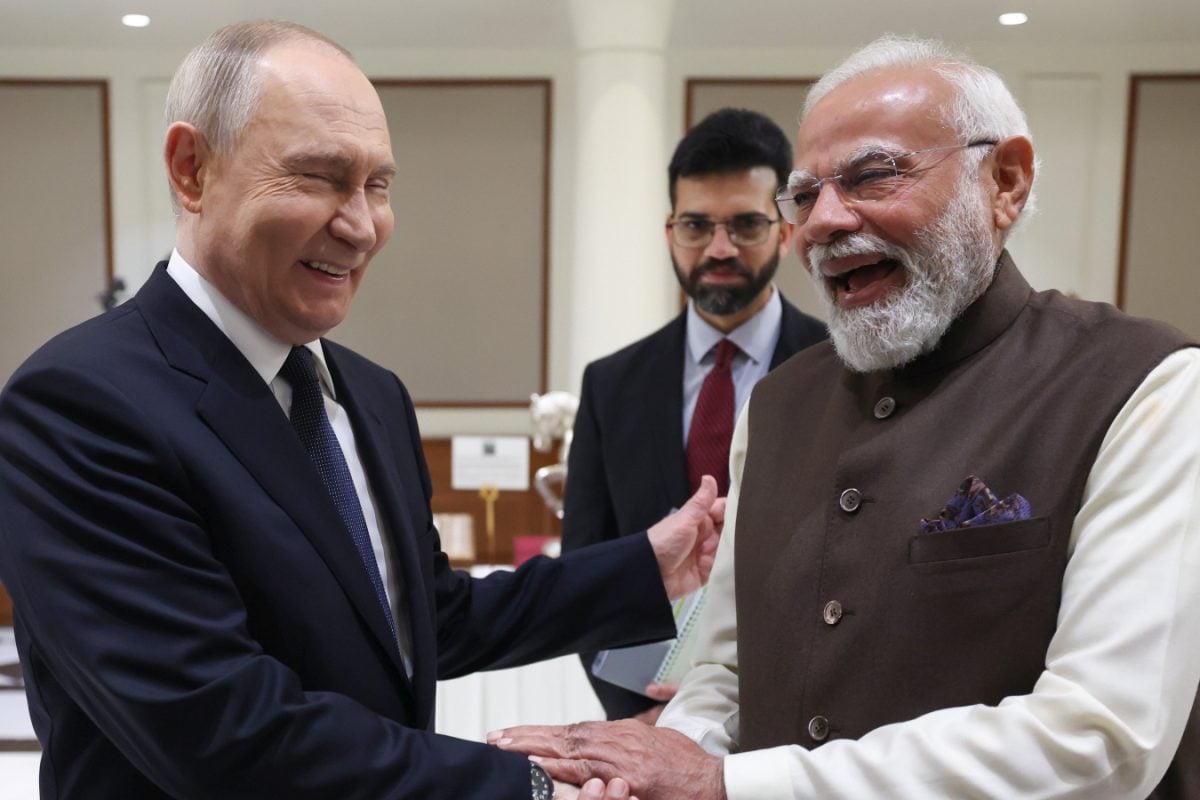
With silk-lined interiors, private wellness facilities and fortified security layers, the exclusive presidential floor prepares for the Russian leader’s visit.
Russian President Vladimir Putin’s stay at New Delhi’s ITC Maurya once again draws attention to the hotel’s iconic Chanakya Suite, a space long associated with visiting heads of state and known for its blend of handcrafted Indian luxury, heightened security infrastructure and customized diplomatic amenities. As officials finalize protocols ahead of the high-profile visit, the suite’s features—ranging from silk-paneled walls to private wellness facilities—are attracting renewed public interest.
The Chanakya Suite has hosted numerous world leaders over the past three decades, serving as a controlled, secure environment tailored to both comfort and state-level requirements. Putin’s delegation, Indian officials and hotel management are coordinating across multiple agencies to ensure the suite meets stringent security, communication and protocol standards, according to people familiar with the arrangements.
⸻
A Suite Designed for Diplomacy and Discretion
A space built for visiting heads of state
Situated on a dedicated presidential floor, the Chanakya Suite spans more than 4,600 square feet and is among the most secure accommodations in India’s hospitality sector. ITC Maurya—already known as a preferred choice for U.S. presidents, Middle Eastern royal families, and Asian leaders—keeps the floor sealed off for official delegations whenever a visiting head of state checks in.
The suite is equipped with multiple rooms, controlled access points and enhanced communication lines designed to accommodate official meetings, private consultations and emergency coordination, if required. Hotel personnel undergo special background checks, and access is limited to vetted staff assigned exclusively to the visiting delegation.
Interiors that showcase Indian craftsmanship
The suite’s décor draws inspiration from classical Indian design blended with contemporary luxury. Silk-lined walls, artworks from leading Indian schools, handwoven carpets and carved wooden panels reflect the hotel’s broader emphasis on indigenous craft traditions.
Interior designers associated with the property say the suite is regularly updated to maintain a consistent standard befitting state guests, though most structural elements remain constant due to their handcrafted nature.
⸻
Wellness, Fitness and Private Amenities
Private gym, sauna and wellness spaces
One of the most discussed features of the Chanakya Suite is its dedicated wellness area, which includes a private gym outfitted with advanced exercise equipment, a sauna, and a personal massage room used by delegations that often travel with their own medical and physiotherapy staff.
These facilities allow visiting leaders to maintain high-security, low-visibility routines without leaving the controlled environment of the presidential floor. For security-sensitive delegations, such amenities reduce movement across public spaces and streamline protocol management.
Dining and hospitality customized for delegations
ITC Maurya is known for its culinary diversity, and special menus are prepared for state guests based on dietary protocols shared in advance. The hotel’s chefs coordinate with security teams, medical staff and cultural liaisons to ensure all meals meet prescribed standards.
During high-level visits, the suite’s dining room and adjacent service areas are converted into controlled catering stations, with food preparation and delivery monitored through multiple layers of screening.
⸻
Security Protocols Surrounding a High-Profile Visit
Multi-agency coordination for protection
When a leader such as Putin stays at ITC Maurya, security measures extend far beyond the suite itself. Officials from Indian agencies, including the Delhi Police and Special Protection Group (for Indian dignitaries), work alongside the visiting nation’s security personnel to design a layered security plan for the hotel and surrounding area.
Per standard protocol, surveillance systems, access logs, movement pathways and communication equipment are reviewed and, if necessary, temporarily upgraded. Entrances used by the delegation are restricted, and specific elevators are converted into exclusive-use channels.
Hotel staff with operational access to the floor receive briefings and undergo additional verification before the visit begins.
Diplomatic protocols embedded in hotel logistics
Heads of state often conduct a portion of their bilateral engagements within hotel premises. For this reason, the Chanakya Suite includes meeting rooms, secure telecommunication facilities and customizable spaces for diplomatic discussions.
Officials familiar with past high-level stays say that the hotel often collaborates with embassy teams to create temporary offices nearby on the same floor to allow seamless coordination among delegation members.
⸻
The Chanakya Suite in Historical and Diplomatic Context
A preferred residence for global leaders
ITC Maurya has been a consistent choice for visiting presidents, prime ministers and foreign ministers because of its location, reputation and security infrastructure. The Chanakya Suite, in particular, has hosted successive U.S. presidents, Japanese prime ministers, Gulf leaders and European heads of government.
Its proximity to major diplomatic hubs, including the Central Secretariat, foreign missions and ceremonial avenues, has made it a fixture in New Delhi’s diplomatic itinerary.
Symbolism embedded in luxury
Hospitality analysts note that selecting a suite such as Chanakya is not only a matter of comfort or security but also of symbolism. The suite’s design reflects Indian heritage while emphasizing a modern global aesthetic—elements that align with India’s positioning as both a cultural civilization and a contemporary geopolitical player.
The hotel’s role during state visits extends beyond accommodation: it becomes a logistical nerve center that supports bilateral engagement.
⸻
Economic and Diplomatic Impact on the Host City
Boost to New Delhi’s global hospitality profile
High-profile stays boost the global visibility of India’s luxury hotel sector, particularly properties like ITC Maurya that have developed specialized expertise in managing state visits. Hotel management experts say such events often establish long-term ties between national delegations and hospitality brands.
In addition, security-driven logistical improvements around the hotel—temporary traffic diversions, enhanced surveillance and coordinated administrative support—often strengthen local municipal capabilities.
A signal of India’s preparedness for global leadership
Diplomatic analysts say that India’s ability to host major leaders in secure, high-comfort facilities reinforces its standing as a nation prepared for extensive global engagement. The Chanakya Suite, in that sense, becomes part of India’s soft power infrastructure.
As geopolitical realignments continue to shape global diplomacy, the country’s hospitality infrastructure is increasingly viewed as a vital yet understated component of its international outreach.
⸻
Looking Ahead
As Putin’s visit proceeds under tight security and diplomatic coordination, the Chanakya Suite once again serves as a reminder of New Delhi’s capacity to host high-stakes international engagements. While much of the operational detail remains confidential—consistent with protocol—the suite’s blend of Indian luxury, wellness-oriented design and robust security underscores why it has become a repeat destination for world leaders navigating complex global agendas.


