
Young Cheetah Killed by Hit-and-Run Vehicle on Gwalior Highway
The nearly 20-month-old cub had ventured out of KNP and got separated from its mother. It died after being hit by an unidentified vehicle
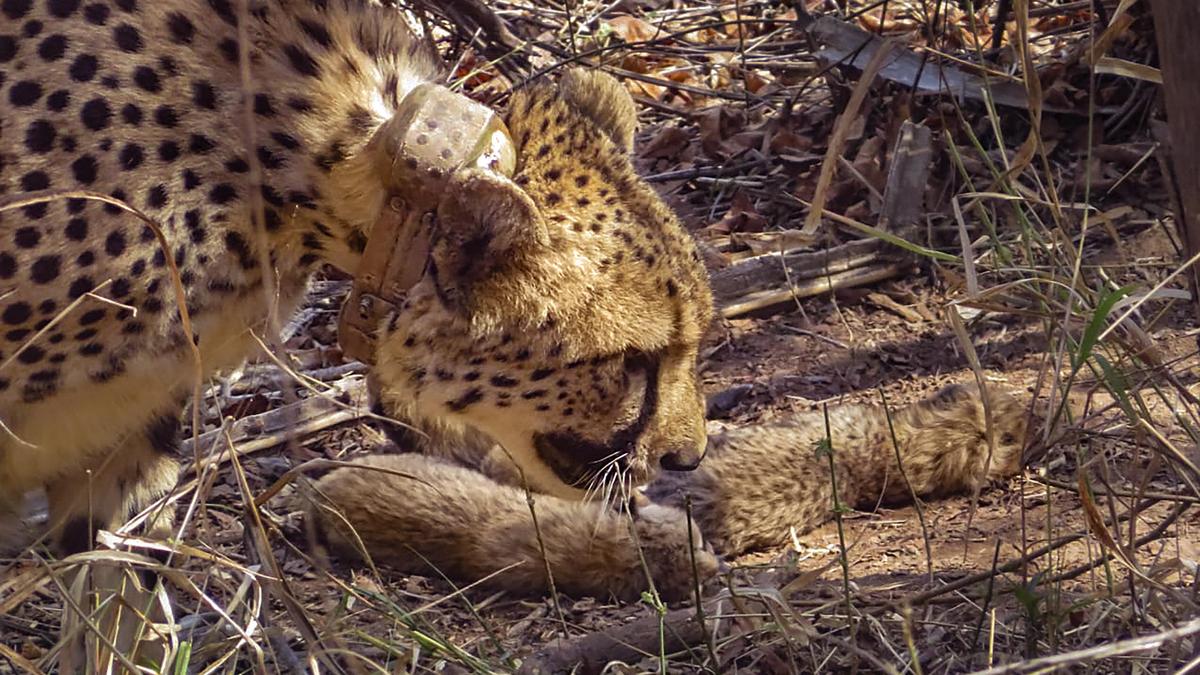
Wildlife officials investigate fatal collision involving eight-month-old cub near Gwalior as conservationists raise alarm over rising road accidents in key habitats.
⸻
Cheetah Cub Dies After Being Hit by Unidentified Vehicle in Gwalior
Gwalior, India — An eight-month-old cheetah cub died early Monday after being struck by an unidentified vehicle on a state highway near Gwalior, according to Madhya Pradesh Forest Department officials. The cub, part of a monitored litter in the Kuno landscape, was found critically injured along the Gwalior–Shivpuri stretch, a region that has seen increased wildlife crossings during winter months. Forest teams say the animal likely attempted to cross the road before dawn when visibility was low, but the vehicle responsible did not stop.
Officials confirm that the cub died on the way to a field veterinary unit despite immediate rescue efforts. The incident has renewed concerns about road-related wildlife fatalities in central India and added pressure on authorities managing India’s high-profile cheetah reintroduction program.
⸻
Incident and Immediate Response
Forest officers said a patrol team noticed the injured cub around 5:30 a.m. lying beside the highway, about 18 kilometers from the periphery of the Kuno National Park corridor.
“The cub had suffered severe internal injuries and fractures, consistent with a high-speed impact,” a senior forest ranger said. “We attempted live stabilization and arranged immediate transport, but the animal did not survive.”
Officials documented tire marks but said the vehicle had fled. Local police have launched an inquiry, and CCTV footage from nearby toll points and fuel stations is being examined.
Early Morning Accident
Investigators believe the cub may have wandered out of the protected zone during the night, as young cheetahs often explore beyond core areas. Early winter fog, along with increased vehicular movement on the state highway, likely contributed to the accident. The area has no wildlife-warning signage or speed-control systems.
⸻
Background: India’s Cheetah Conservation Challenges
India reintroduced cheetahs in 2022 under Project Cheetah, translocating populations from Namibia and South Africa into the Kuno landscape. While some individuals have successfully adapted, the project has also been marked by deaths from infections, territorial injuries, and human-wildlife interactions.
Roadkills: A Growing Concern
According to the Wildlife Institute of India, road accidents account for nearly 10% of carnivore deaths in central Indian landscapes. Madhya Pradesh has recorded several recent incidents involving leopards, hyenas, and deer struck by speeding vehicles.
Conservation biologist Raghav Sharma said the latest death highlights an urgent need for mitigation.
“A young cub losing its life on a highway is a reminder that India’s protected areas do not function in isolation,” Sharma said. “Roads cut across crucial wildlife corridors, and unless we regulate high-speed zones, this will continue.”
⸻
Local Communities React
Villagers near the Kuno–Gwalior corridor said they often see wildlife crossing roads in early morning hours.
“We have spotted cheetahs and deer near the fields,” said Manoj Agarwal, a resident of the nearby hamlet. “Drivers on this route go very fast, especially trucks. There are no speed breakers or warning boards.”
Some residents said they fear retaliation or poaching concerns whenever wildlife moves into nearby agricultural buffers. Forest officers, however, reassured residents that cub sightings in fringe areas are normal and do not pose a threat to people.
⸻
Government Response and Ongoing Investigation
The Madhya Pradesh Forest Department has formed a three-member committee to probe the circumstances of the accident. The team will submit a report within a week, analyzing the cub’s movement path, possible gaps in fencing, and the level of vehicular activity at the time of the collision.
A senior official said the department may request the Public Works Department (PWD) to install:
• Wildlife-crossing signboards
• Speed-reduction zones
• Reflective warning markers
• Night patrolling systems
• Temporary speed restrictions during peak wildlife movement seasons
“The death of a young cheetah is a serious setback,” the official said. “We will implement corrective measures urgently.”
⸻
Cheetah Monitoring and Corridor Risks
Young cheetahs often follow their mother’s movement patterns but gradually begin exploring new territories at around six to eight months. Wildlife experts say this transitional phase increases the likelihood of accidental dispersal toward human-modified landscapes.
Data from radio-collared cheetahs in Kuno shows that individuals occasionally approach villages and farmlands during prey movement. The cub that died Monday was part of a litter from a monitored female but had not yet been collared due to its age.
Fragmented Landscapes
Highways passing near or through wildlife corridors have been a longstanding conservation issue in India. National Tiger Conservation Authority (NTCA) data shows nearly 40 major road fragments intersect tiger and leopard habitats nationwide. While cheetahs are newly reintroduced, their ranging behavior makes them vulnerable to the same threats.
⸻
Conservationists Call for Stronger Measures
Environmental groups say the accident underscores gaps in planning around the cheetah introduction program.
“Road ecology guidelines exist, but enforcement is weak,” said Ananya Dutta of the Central Indian Wildlife Coalition. “If we want cheetahs to thrive long-term, we must build safe passages, underpasses, and reduce speeds in sensitive zones.”
Some experts argue that habitat expansion, including additional protected areas, is essential to ensure long-term survival. Others highlight the need for public education campaigns so drivers understand wildlife behavior patterns.
Possible Long-Term Solutions
Conservationists propose:
• Installing automated speed-limiting barriers
• Creating dedicated wildlife underpasses
• Using motion-sensing warning lights
• Establishing local community watch groups
• Creating 24-hour rapid response teams
⸻
Broader Implications for India’s Rewilding Effort
Monday’s accident comes at a time when India is under global scrutiny for its high-profile cheetah reintroduction initiative. The loss of a cub affects population projections and raises questions about the program’s ability to ensure safety outside core protected areas.
Wildlife experts caution that occasional mortalities are expected in any rewilding effort, but anthropogenic threats like roadkills must be minimized.
“The goal is not just to bring cheetahs back, but to ensure they flourish,” Sharma said. “That requires a landscape-level approach that integrates conservation with infrastructure development.”
⸻
Looking Ahead
With the investigation underway, the Forest Department says it will review road-crossing patterns and consider collaboration with highway authorities to design longer-term protective measures.
Officials also plan to increase community outreach and strengthen monitoring in areas where cubs are likely to wander. Additional radio collars for surviving cubs are under consideration once they reach appropriate size.
As India continues its cheetah conservation journey, the death of the young cub underscores the fragile balance between wildlife preservation and expanding human infrastructure.


