
Visakhapatnam police unearth more than ₹50 crore worth financial fraud
Police Probe Reveals Most Victims From SC and Middle-Class Families in Ongoing Crime
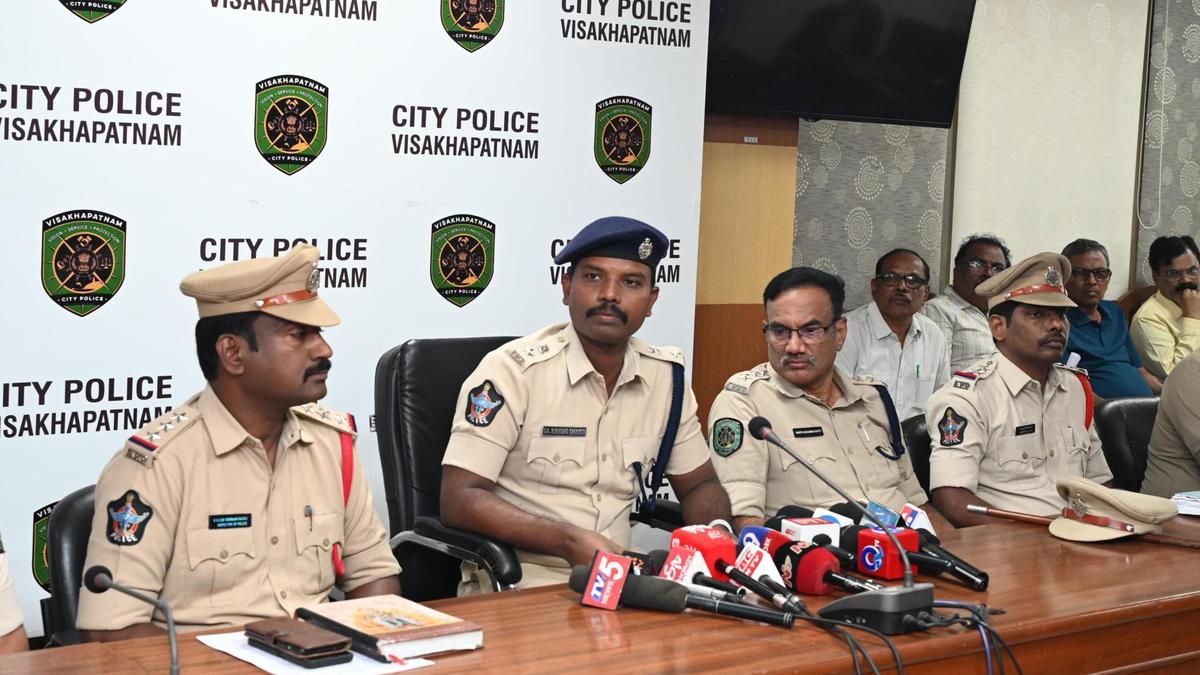
Investigation across multiple districts uncovers pattern of vulnerable targets, prompting calls for stronger safeguards and community outreach.
Police investigating a series of related crimes across multiple districts say a majority of the identified victims belong to Scheduled Caste communities and middle-class families, raising concerns about targeted exploitation and systemic vulnerabilities. Officials confirmed over the weekend that the emerging pattern has reshaped the direction of the probe, prompting expanded forensic review, community outreach efforts and coordination with social welfare departments.
According to investigators, the case involves several incidents reported over the past months, though authorities have not disclosed the exact number of victims while the inquiry continues. Officers say the demographic concentration is significant enough to require focused analysis into whether socioeconomic factors made certain individuals or households more susceptible.
⸻
Victim Demographics Trigger Fresh Lines of Inquiry
Disproportionate impact on marginalized communities
Senior police officials say early-stage demographic mapping shows a clear trend: the majority of victims belong to SC communities and lower- to middle-income households spread across semi-urban and rural pockets of the region. Investigators believe economic pressures, limited legal awareness and reduced access to institutional support may have contributed to their vulnerability.
“We are looking closely at the socioeconomic profile of the victims to understand whether the offenders deliberately selected them or whether circumstantial factors played a larger role,” a police superintendent overseeing the inquiry said Monday. He added that the department has requested additional data from district-level welfare offices to corroborate the findings.
No confirmation yet on motive
Authorities stress that while the demographic pattern is notable, they have not concluded that caste identity or financial status was a primary motive behind the crimes. “At this point, we cannot assert targeted discrimination,” an official said. “However, the concentration of cases within specific communities requires careful examination.”
Investigators are also reviewing whether victims were connected to each other socially, professionally or geographically, or whether the pattern emerged independently.
⸻
Case Details Remain Confidential, But Investigation Broadens
Multiple agencies now involved
As the probe expands, police teams from crime, intelligence and cyber units have joined the investigation. Authorities say they are tracing financial transactions, digital communication records and movement patterns to identify potential networks or repeat offenders.
Forensic teams are conducting parallel examinations of evidence collected from crime scenes in multiple districts. Officials say new leads emerging from these analyses have already prompted additional searches and witness interviews.
Victim testimonies shape investigative approach
Officers involved in the inquiry say that testimonies from survivors and families of victims have been vital in piecing together the timeline and structure of the crimes. Many victims reported delayed disclosure due to financial constraints, fear of retaliation or lack of access to legal assistance.
“Families often approached the police only after incidents escalated or repeated,” an investigator said. “This delay complicates evidence-gathering but also highlights the need for stronger community-level support systems.”
⸻
Social and Structural Factors Under Scrutiny
Law enforcement acknowledges systemic challenges
Experts in policing and social justice say that crimes disproportionately affecting SC communities often intersect with broader structural inequities. Limited political representation, constrained economic mobility and gaps in law enforcement outreach can create conditions where misconduct remains underreported.
Police officials acknowledge the challenge. “We are aware that community distrust of authorities can deter victims from coming forward,” an officer said. “Strengthening our relationship with marginalized groups is essential.”
Community advocates call for targeted interventions
Activists and local rights organizations say the emerging victim pattern reinforces long-standing concerns about vulnerabilities faced by SC families. They urge authorities to expand sensitization programs, deploy more community liaison officers and increase access to legal-aid clinics in high-risk neighborhoods.
“Whenever crimes disproportionately affect marginalized communities, it suggests deeper systemic issues,” said a representative of a Dalit rights group. “We need not only arrests but also preventive frameworks.”
⸻
Government and Civil Society Responses Intensify
State government reviews investigation progress
The state government has been briefed on the demographic findings and has asked for periodic updates. Officials say a review meeting is scheduled next week to discuss next steps, including resource deployment, victim assistance programs and the possibility of setting up a special investigation team if required.
Authorities also plan to coordinate with social welfare departments to identify communities that may require heightened outreach or protection.
Legal experts highlight need for support mechanisms
Legal analysts say that cases involving victims from socially disadvantaged backgrounds often require specialized support—legal counseling, fast-track hearings and victim-protection measures—to prevent intimidation or case withdrawal.
“Systemic inequalities can directly influence how cases progress,” a criminal law expert at Delhi University noted. “Ensuring speedy justice requires not just policing but institutional safeguards.”
⸻
What We Know So Far
While officials maintain confidentiality on sensitive aspects of the case, several trends have emerged from the ongoing probe:
• Victims predominantly belong to SC and lower- to middle-income groups.
• Cases span multiple districts, indicating a broad operational area or pattern.
• Delayed reporting by victims suggests fear, lack of awareness or institutional barriers.
• Forensic and cyber units are playing a significant role in evidence consolidation.
• No final motive has been established; investigations remain open across several lines.
• Social welfare and law enforcement agencies are coordinating to support families.
Police say the next phase will involve linking digital evidence to testimonies and mapping potential criminal networks or repeat offenders.
⸻
Challenges Facing Investigators
Difficulty in establishing early evidence
Because several victims reported incidents weeks or months after they occurred, forensic teams face challenges in recovering timely evidence. Officers say this is common when victims fear community backlash or have limited access to police services.
Need for broader community engagement
Police officials say that trust-building measures, including door-to-door outreach and awareness sessions on legal rights, are crucial to timely reporting. “If communities feel safe coming to us, we can intervene sooner,” an officer said.
⸻
Looking Ahead: Building Long-Term Safeguards
Authorities, civil society leaders and legal experts agree on one point: preventing recurrence requires systemic change. Expanded legal literacy programs, enhanced rural policing, and better support for victims are among the measures under discussion.
The unfolding investigation is likely to influence future policy responses in the state, particularly on strengthening protection frameworks for SC communities and economically vulnerable households.
As police continue tracing leads and verifying the demographic trends, officials emphasize that the objective remains twofold—ensuring justice for victims and preventing similar crimes through structural reforms and community partnership.


