
SIR in Gujarat: More than 17 lakh deceased voters found on electoral rolls
Dang district is at the forefront in this work with 94.35% digitisation of the counting forms, said the release
Ahmedabad — The ongoing SIR (Special Intensive Revision) of electoral rolls in Gujarat has uncovered a serious anomaly: more than 17 lakh voters marked as deceased remain listed in the state’s voter register. The revelation was disclosed by the office of the Chief Electoral Officer, Gujarat (CEO) on December 4, 2025.
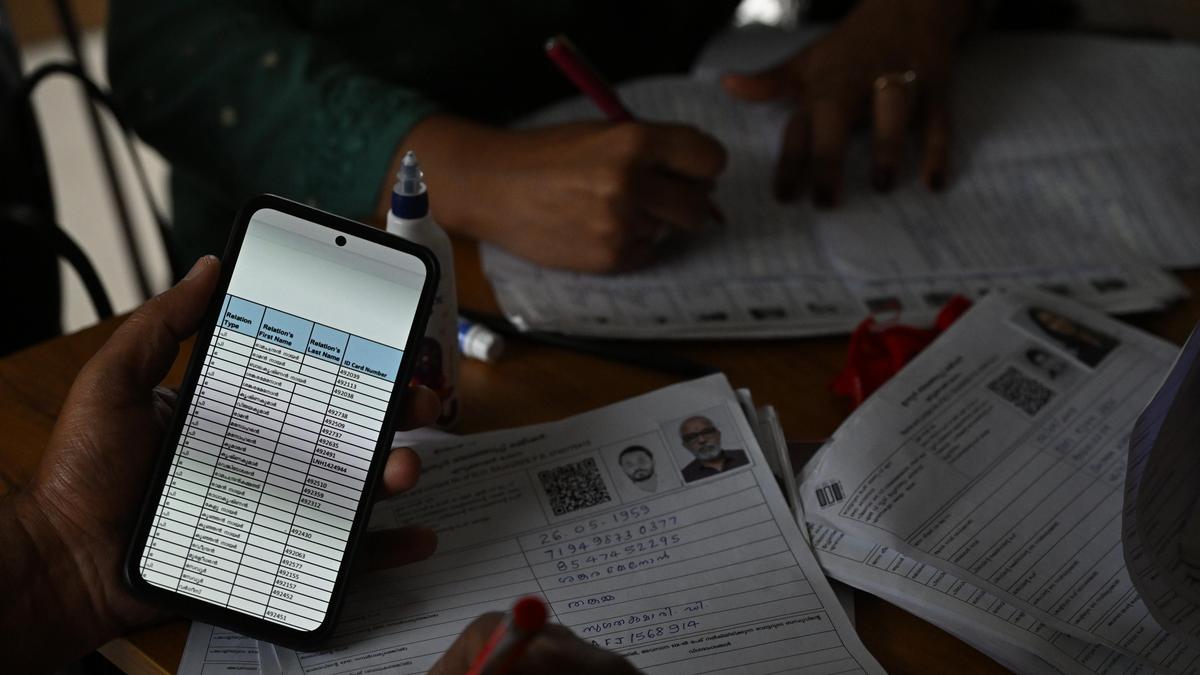
The SIR drive began on November 4 and aims to verify and update the 2025 electoral rolls, ahead of future elections. Booth-level officers (BLOs) have distributed enumeration forms to more than 5 crore registered voters across the state. According to the CEO’s office, most of Gujarat’s 33 districts have completed 100% distribution of these forms. Digitization of all returned forms is in progress. So far, digitization has been completed in 12 of the state’s 182 assembly constituencies.
Key findings
The SIR update has revealed multiple categories of potentially invalid entries:
- Deceased voters: More than 17 lakh individuals who reportedly passed away are still recorded as electors.
- Permanently migrated voters: Over 30 lakh voters have been identified as relocated permanently from their registered addresses.
- Absent at address: More than 6.14 lakh voters were found absent during verification visits.
- Duplicate entries (repeat registrations): Over 3.25 lakh entries were flagged as repeated, meaning the same voter may be registered in more than one place.
These findings indicate that a significant number of entries on the electoral rolls no longer reflect the actual, eligible electorate. The CEO’s office has described the SIR as a “clean-up operation” to ensure the electoral rolls are accurate and credible.
Impact and scale of the clean-up — mass deletions expected
Data suggests that the SIR exercise may lead to deletion of a very large number of entries from the electoral rolls. According to state media, nearly 40.12 lakh entries across Gujarat could be removed once the revised list is finalised — including the deceased voters, shifted, duplicates, and other categories. Already, in some constituencies, digitization and verification are finished — for example, in areas such as Dhanera, Tharad (Banaskantha), Limkheda (Dahod), and Dhoraji (Rajkot). Among districts, Dang district is at the forefront of digitization efforts, with over 94% completion reported. Officials say the enumeration phase will continue until December 11, 2025. After that, a draft voter list will be published. Voters who find discrepancies — such as missing names or incorrect details — will have the opportunity to submit corrections or claims.
Why the SIR drive matters: electoral integrity and democracy
The presence of over 17 lakh deceased voters on electoral rolls raises questions about the reliability of previous voter lists. Keeping dead or relocated individuals on the list undermines the integrity of the electoral process. With SIR underway, authorities aim to ensure that only genuine, eligible voters remain registered. Deleting invalid entries and updating records will help prevent potential misuse, such as fraud or duplicate voting. It will also provide a clearer and more realistic picture of the electorate — a crucial factor ahead of any major elections. The scale of the revisions shows that periodic audit and updating of electoral rolls is essential, especially in a large and mobile population state like Gujarat. The SIR drive is one of the ways the administration aims to maintain transparent and fair elections.
Challenges, public reaction and what lies ahead
While the SIR campaign is advancing rapidly, the scale of cleanup poses challenges. Deleting millions of entries can create confusion among voters. Many may not be aware whether their names will remain or whether they must re-register if they’ve shifted or gone through other status changes.
Authorities have urged all eligible voters to verify their names after the draft list is published. They have also encouraged people to submit correction or inclusion forms if they face discrepancies. Timely digitization and transparent publication of the updated voter list will play a key role in rebuilding public confidence. Meanwhile, opposition parties and civil-society groups are watching closely. Many analysts say that such large-scale corrections — while necessary — must be handled carefully to avoid accidental disenfranchisement.
Conclusion: Clean electoral rolls key for credible elections
The SIR exercise in Gujarat has revealed a major discrepancy: over 17 lakh deceased voters remain listed in the state’s electoral rolls. Alongside tens of lakh voters who have shifted, are absent, or registered more than once — the potential corrections are massive. If properly implemented, the revised voter list will better reflect the actual electorate. This will strengthen the credibility of future elections in Gujarat. Accuracy in the voter register is fundamental for free, fair and transparent democracy. But the road ahead must be handled carefully. Voter awareness, accessible verification mechanisms, and transparent publication of changes will be vital. Only then will the goal of a clean electoral roll truly benefit democracy.


