
Greater Bengaluru Authority suspends six revenue officials for issuing khatas in illegal layouts
The inquiry was triggered by a complaint by Mohan Babu in April 2025
What happened
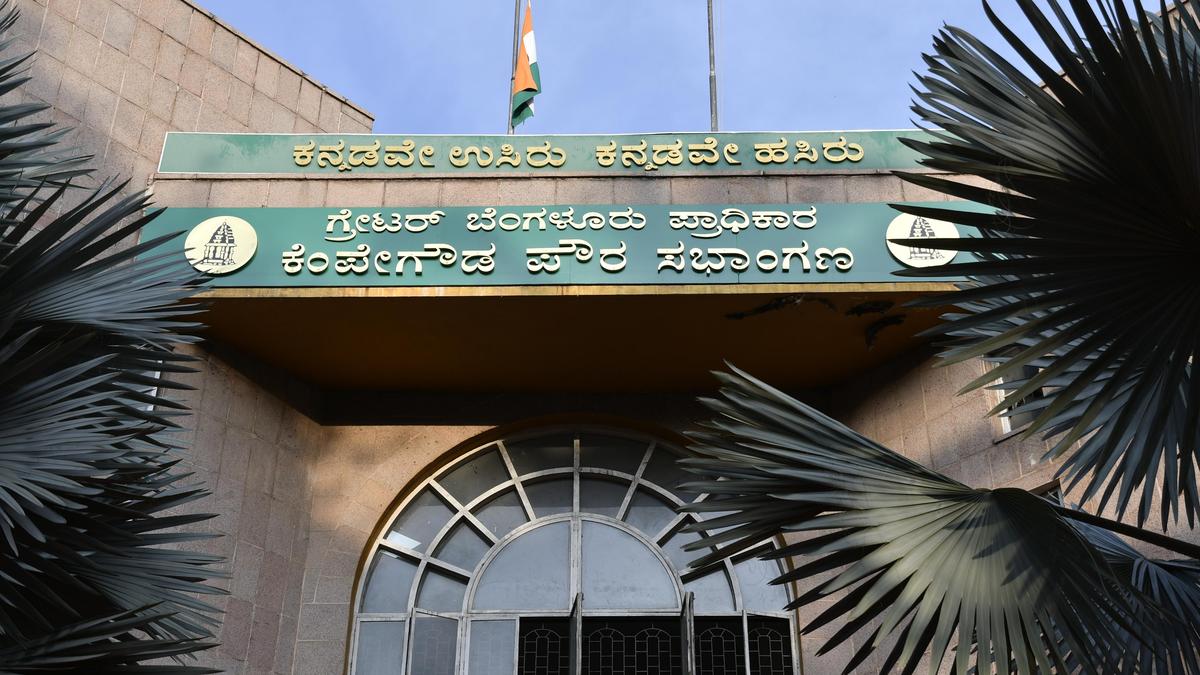
The inquiry was triggered by a complaint by a resident— named in filings as Mohan Babu in April 2025. The complaint prompted the GBA’s revenue wing to investigate khata entries made for plots in Naganathapura village, Bengaluru South. Investigators found that the revenue officials had recorded 128 plot entries linked to a private developer without proper legal documents such as registered sale deeds or approvals from planning authorities. Based on the probe, three assistant revenue officers, one revenue officer and two second-division assistants were suspended pending further departmental and legal action.
GBA officials say the records show deliberate manipulation. Entries were added to both physical registers and the electronic system using self-affidavits rather than the statutory documents required under the Karnataka Land Revenue Act and related laws. The authority has framed the action as a warning to staff and outsiders who collude to create fake khatas.
Why khatas matter
A khata is a crucial revenue document in Karnataka. It records property ownership and is needed for paying property tax and accessing many municipal services. In Bengaluru — where urban growth has rapidly outpaced planning — khatas also act as a stepping stone toward regularising land and property. That makes fraudulent khatas attractive to land speculators and developers who want to convert unauthorised layouts into marketable plots. The GBA action highlights how fragile land-record integrity can be when checks are bypassed.
Issuing khatas without the required approvals can also violate the Karnataka Town and Country Planning Act and the Registration Act. The GBA has pointed to a BBMP circular from October 2024 that barred khata issuance for unapproved layouts — a rule the suspended officials are accused of ignoring. By acting now, the authority signals it will pursue both administrative and criminal remedies where warranted.
Wider context: tightening the noose on land fraud
This suspension of the six revenue officials comes amid a broader scrutiny of revenue records across the Bengaluru region. Recent digitisation drives and audits have unearthed multiple instances of tampering and collusion. In Anekal taluk — for example — a separate investigation uncovered a multi-year scheme that led to criminal cases against 16 revenue officials involved in forging land records. That case illustrated how systemic fraud can spread if oversight lapses. The GBA’s action appears to be part of a pattern of renewed enforcement after those revelations.
At the same time, the state government has floated policy measures to balance citizens’ rights and planning norms. Officials have, at various points, discussed mechanisms like a one-time settlement or regulated regularisation frameworks for certain B-khata properties. Those debates reflect the tension between protecting bona fide homeowners in unauthorised layouts and preventing a market that rewards illegal conversion of agricultural or open land into speculative plots.
What the GBA said
GBA chief commissioner Maheshwar Rao confirmed the suspensions and said the authority would continue both departmental inquiries and legal action where necessary. The GBA also urged citizens to report suspicious khata issuances and warned that khatas created through fraudulent processes are liable to cancellation. Officials framed the move as a zero-tolerance step against anyone — inside or outside the system — who attempts to bypass statutory safeguards.
Impact on homeowners and buyers
For genuine homeowners living in unauthorised layouts, the news is double-edged. On one hand, stricter enforcement helps protect property buyers from being sold plots that later turn out to be illegal or unusable. On the other hand, people who bought sites in good faith — sometimes years earlier — face uncertainty when records are reopened and khatas questioned. That political and social reality helps explain why state policymakers have sometimes considered limited regularisation options for older developments while tightening rules against new unauthorised layouts.
Buyers and sellers should exercise caution. Anyone transacting in Bengaluru land should insist on seeing registered sale deeds, approved layout plans from the competent planning authority and valid NOCs before relying solely on khata entries. Legal advice and title searches can prevent costly disputes later. The GBA’s statement reinforces this best practice: paperwork alone can be manipulated if other approvals are missing.
What happens next
The suspended revenue officials face departmental proceedings that could lead to dismissal or criminal prosecution depending on the outcomes of the internal probe and any police complaints. The GBA has said it will seek to cancel any khatas found to be created through fraud and will tighten internal controls to prevent similar abuses. Observers expect the authority to roll out more stringent verification steps for khata issuance and closer monitoring of electronic land-record updates.
For residents and prospective buyers, the immediate takeaway is to be vigilant. For the administration, the case is a reminder that institutional controls must match the city’s growth pressures. And for the many homeowners caught between law and logistics, humane and fair policy execution will be essential to resolve legitimate claims without rewarding fraud.
Land and homes are intimate to people’s lives. When an official’s mistake — or malfeasance — puts ownership or savings at risk, the human cost is more than paperwork. The GBA’s action is a necessary step to restore trust in civic records. But it should be paired with clear channels for affected residents to appeal, access affordable legal help, and regularisation pathways when the law and planning permit. Enforcement without empathy leaves people stranded; enforcement with clear, fair remedies protects both citizens and the city.


