
Chennai Government Hospital Records Over 31,000 Cardiac Interventions in a Decade of Service
Public hospital’s cardiology unit marks major milestone, highlighting expanding access, improved outcomes, and the growing burden of heart disease in Tamil Nadu.
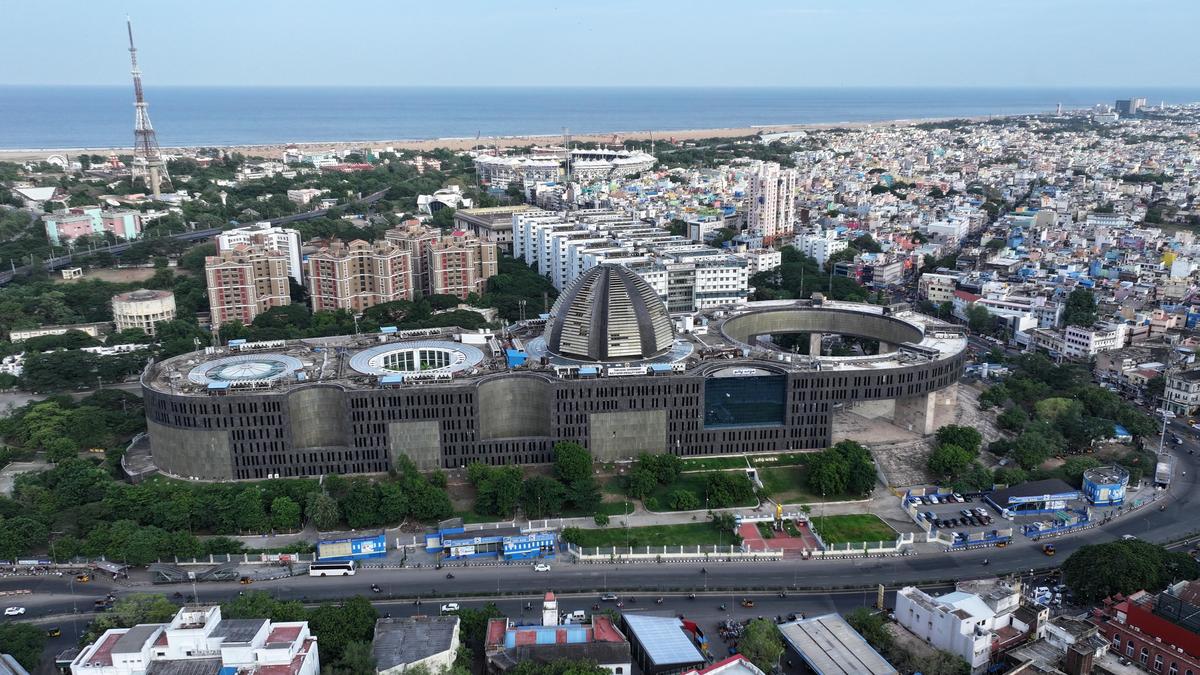
The department has performed among the highest volumes of ASD device closures in the government sector in Tamil Nadu
Government Hospital in Chennai Crosses 31,157 Cardiac Interventions Over Ten Years
CHENNAI — A government hospital in Chennai has performed 31,157 interventional cardiac procedures over the past 10 years, marking a major milestone in the public healthcare system’s efforts to expand affordable cardiac care, hospital officials say. The numbers reflect a growing demand for advanced heart treatments in Tamil Nadu, where cardiovascular diseases continue to be a leading cause of mortality.
The procedures, which include angioplasties, stent placements, emergency cardiac interventions, and structural heart repairs, span a decade of patient care at the specialty cardiology wing. Doctors say the achievement underscores improved accessibility for low-income patients who rely on state-run hospitals for advanced medical treatment.
Hospital administrators add that the steady rise in cases highlights the state’s expanding screening programs, increasing patient awareness, and better referral pathways from district hospitals and primary health centers.
⸻
Decade of Growth in Cardiac Services
The cardiology department records consistent growth in patient volume since 2014, when it upgraded facilities to handle complex interventional procedures. The unit now performs more than 3,000 procedures annually, with a mix of elective and emergency cases.
A senior cardiologist at the hospital says demand has remained steady due to the rising prevalence of lifestyle-related conditions. “We are seeing younger patients experiencing cardiac events, often linked to diabetes, hypertension, and sedentary lifestyles. The need for timely interventions has increased,” the doctor says.
Cardiology teams work in three shifts to accommodate emergencies, particularly acute coronary syndrome (ACS) cases where timely angioplasty can significantly improve survival rates.
⸻
Breakdown of Key Procedures Performed
Hospital data shows a diverse range of interventional cardiac treatments over the decade.
These include:
• Coronary angiograms for diagnostic evaluation.
• Percutaneous coronary interventions (PCI) such as balloon angioplasty and stent placements.
• Primary angioplasty for heart attack patients.
• Pacemaker and device implantation for arrhythmias and heart failure.
• Peripheral vascular interventions for blockages outside the heart.
• Structural heart procedures, including valve repairs, done increasingly in recent years.
Primary angioplasty—considered the gold standard for treating heart attacks—accounts for a growing share of annual procedures. Doctors note that shorter door-to-balloon times have improved outcomes, with survival rates comparable to major private centers.
⸻
Public Hospital Offers Lifesaving Treatment at Minimal Cost
One of the key drivers behind the high procedural count is the accessibility of treatment for low-income patients. The hospital provides most interventional cardiac procedures either free of cost or at heavily subsidized rates under state health insurance schemes.
A hospital administrator says this public service model saves lives that might otherwise be lost due to inability to afford private treatment. “A single stent procedure can cost ₹1–3 lakh in private hospitals. Here, patients receive the same standard of care without catastrophic financial burden,” the official says.
Many beneficiaries come from rural districts, traveling long distances after being referred through government-run screening programs or emergency networks.
⸻
Life-Saving Impact for Heart Attack Patients
Emergency cardiac care has seen dramatic improvement over the decade. The hospital’s 24×7 catheterization lab handles hundreds of STEMI (heart attack) cases each year. Doctors say the availability of round-the-clock services reduces mortality and complications.
A cardiologist involved in emergency interventions explains the importance of immediate care. “Every minute counts during a heart attack. Being able to perform primary angioplasty quickly makes all the difference,” he says.
Some patients arrive via the government’s ambulance network, which has been upgraded to include paramedic support capable of preliminary diagnosis. Others are transferred from nearby district hospitals when advanced care is required.
⸻
Infrastructure Upgrades and Technology Integration
Over the past 10 years, the hospital has expanded its infrastructure to meet rising demand. The cardiology block now includes multiple catheterization labs, advanced imaging systems, dedicated intensive care units, and a post-procedure monitoring wing.
Upgrades introduced in recent years include high-resolution intravascular imaging and fractional flow reserve (FFR) assessment, enabling more precise interventions. Hospital engineers say continuous maintenance and equipment modernization have been crucial to sustaining large procedural volumes.
Additionally, digitization of patient records and telemedicine support allow cardiologists to coordinate care with other government hospitals across Tamil Nadu.
⸻
Challenges: Demand Rising Faster Than Capacity
Despite the impressive milestone, doctors acknowledge that demand for cardiac services continues to rise faster than capacity expansion. Cardiovascular disease is projected to remain a major public health challenge in India, driven by urbanization, dietary habits, stress, and aging populations.
Hospital staff say long waiting lists persist for elective procedures, and emergency cases often strain bed availability. They suggest that additional trained personnel, more catheterization labs, and stronger referral coordination could further improve outcomes.
A nurse at the cardiology block says staff workloads remain high. “Emergency cases come at all hours, and we have to be ready. The volume keeps increasing every year,” she says.
⸻
Patients Share Stories of Recovery
Several patients treated at the hospital credit timely interventions for saving their lives. One 54-year-old patient from Tiruvallur district says he was rushed in during a severe heart attack and underwent angioplasty within an hour. “If this hospital wasn’t here, I might not have made it. The doctors took care of everything,” he says.
Another patient, a 42-year-old mother of two, underwent a device implantation for cardiac arrhythmia. She says she could not have afforded the treatment elsewhere. “This hospital gave me a second chance without forcing my family into debt,” she says.
These accounts highlight the essential role public health institutions play in expanding equitable access to specialized care.
⸻
Tamil Nadu’s Broader Cardiovascular Health Context
Tamil Nadu ranks among the Indian states with higher reported incidence of non-communicable diseases (NCDs), including heart disease. According to state health data, nearly one in five adults reports either hypertension or diabetes — both major risk factors for cardiovascular complications.
Health experts say the success of the Chennai hospital underscores the importance of integrating advanced treatment with preventive measures. They call for expanded state-led screening, early diagnosis of risk factors, and lifestyle interventions to reduce long-term disease burden.
Public health researchers add that cardiac care must be strengthened across district hospitals to reduce referral delays.
⸻
Looking Ahead: Plans for Expansion and Training
Hospital authorities say they plan to expand the cardiology department by adding more cath labs, increasing staff strength, and introducing new technologies. Training programs for nurses, technicians, and junior doctors are being scaled up to meet future demand.
They also emphasize the need for public awareness campaigns about heart-attack symptoms, especially in rural areas where delays in reaching a hospital can be fatal.
“Reaching 31,157 procedures is a milestone, but the challenge ahead is even larger,” a senior doctor says. “We need to build capacity for the next decade.”
⸻


