
AAP's Raghav Chadha demands ban on 10-minute delivery services, protection for gig workers
AAP MP Raghav Chadha urges a ban on 10-minute deliveries and calls for strong legal protection and safety measures for India’s gig workers
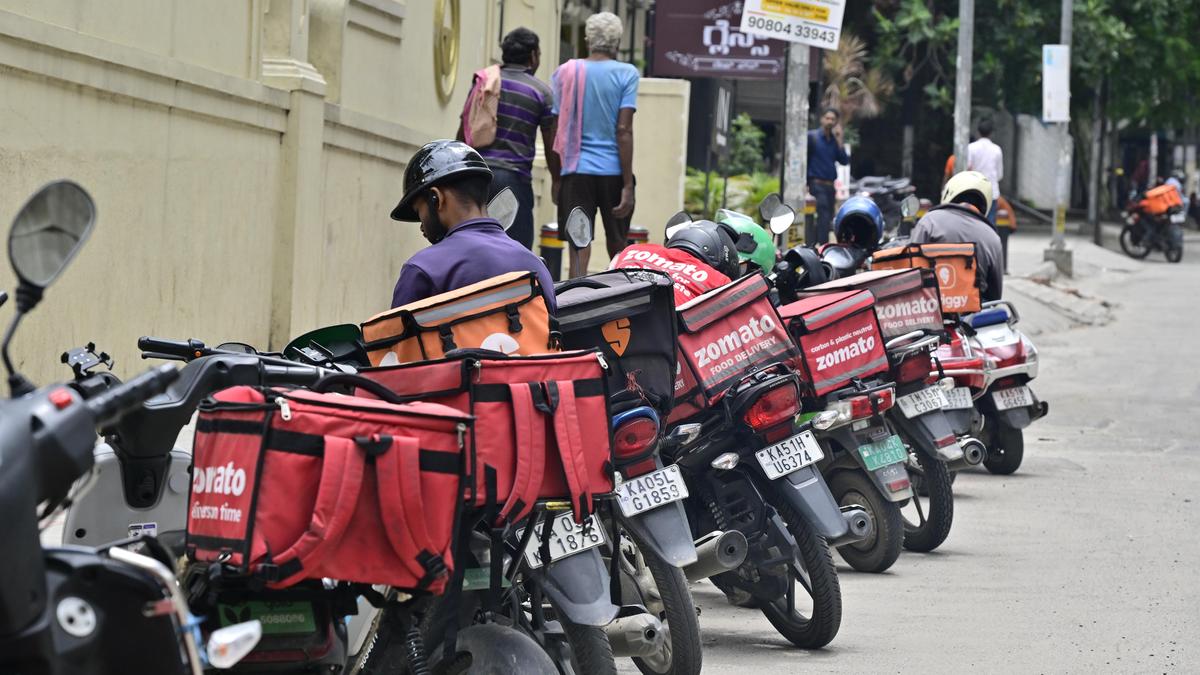
In a strong plea in the Parliament on Friday, Raghav Chadha of the Aam Aadmi Party (AAP) demanded an end to the model of 10-minute deliveries pushed by quick-commerce platforms. Speaking during the Zero Hour in the Rajya Sabha, Chadha described the hyper-fast delivery promise as “cruelty” toward delivery personnel, who are forced to risk lives and dignity under severe pressure to meet unrealistic timelines.
He urged the government to intervene and provide safeguards for gig workers, arguing that while consumers enjoy extreme convenience, delivery riders and drivers bear the brunt of danger, long hours and job insecurity.
“Invisible wheels” of the Indian economy
Chadha appealed to lawmakers to recognise delivery personnel — working for services like Zomato, Swiggy, Blinkit, Zepto, ride-hailing firms such as Ola and Uber, as well as home-service providers — as the “invisible wheels of the Indian economy.” According to him, these workers are not robots. They are fathers, husbands, brothers, and sons, and deserve dignity, safety and fair compensation.
Chadha painted a grim picture of their daily reality: the 10 minute-deliveries or less leads to overspeeding, red-light jumping, and other traffic violations — all to avoid rating drops, incentive cuts, or even id-blocking by apps. He warned that these pressures push gig workers into a state worse than that of daily wage labourers.
Gig economy under stress: long hours, zero security
Beyond speed-related dangers, Chadha highlighted other aspects of gig-workers exploitation. Many delivery workers work 12–14 hours a day, often in extreme weather, without protective gear, hazard allowances, health or accident insurance. There is no permanent employment or social security—unlike traditional jobs.
He urged that the government step in to create a policy framework that ensures basic rights and fair treatment for gig workers who support quick-commerce growth.
Quick commerce growth: who pays the price?
The demand for convenience has led many quick-commerce platforms to offer 10-minute deliveries as a premium feature. But critics argue such speed comes at too high a cost. Reports from various cities show a surge in traffic violations linked to rushed deliveries: for instance, in one week in Bengaluru, authorities registered over 17,000 cases involving delivery personnel for offences such as jumping signals or wrong-side riding.Industry analysts and labour rights experts warn that the model of 10-minute deliveries is fundamentally flawed. Delivering under such tight deadlines often means sacrificing safety, worker welfare, and sometimes even social responsibility. Some gig workers have reportedly begun quitting such roles because of mounting stress and poor conditions. According to recent data from recruitment agencies and logistics firms, between 20–35% of urban delivery partners have shifted away from ultra-fast delivery jobs in 2025, preferring roles with more stable hours and better benefits.
Why government intervention matters now
Chadha’s intervention comes at a critical moment when India’s gig economy is expanding rapidly. Quick-commerce firms are scaling up fast, often at the cost of gig workers’ safety and social security. Unless regulation catches up, the human cost of convenience may escalate significantly.
Calls for reform are already gaining momentum beyond political circles. Labour rights advocates argue that people working under the gig economy model should get basic protections: occupational safety, accident insurance, fair wages, and the right to refuse unsafe or unreasonable assignments.
Moreover, persistent traffic violations and accidents tied to rushed deliveries pose a public safety risk. Regulating or banning unrealistic 10-minute deadlines could help curb reckless driving and improve road safety in cities.
A wake-up call for India’s quick-commerce boom
Raghav Chadha’s message is clear: “If we enjoy 10-minute deliveries, we must also care for the people behind them.” His demand for urgent government intervention draws attention to the dark underside of India’s gig-driven convenience economy — illustrating how rapid growth and investor profits often come at the cost of gig workers’ lives, dignity, and safety.
With looming calls for better labour protections, regulation of quick commerce, and public safety reforms, the coming weeks could be decisive for India’s gig workforce. Quick deliveries may be convenient, but not when delivered on the backs of human lives and with generous disregard for their rights.


