
Palantir CEO Alex Karp, Backing Anti-Woke Stance, Says Poor Americans "Pay the Price" for Failed Policies
In a contentious earnings call, the tech billionaire linked open borders and progressive politics to the struggles of the working class, declaring his data-mining firm "completely anti-woke."
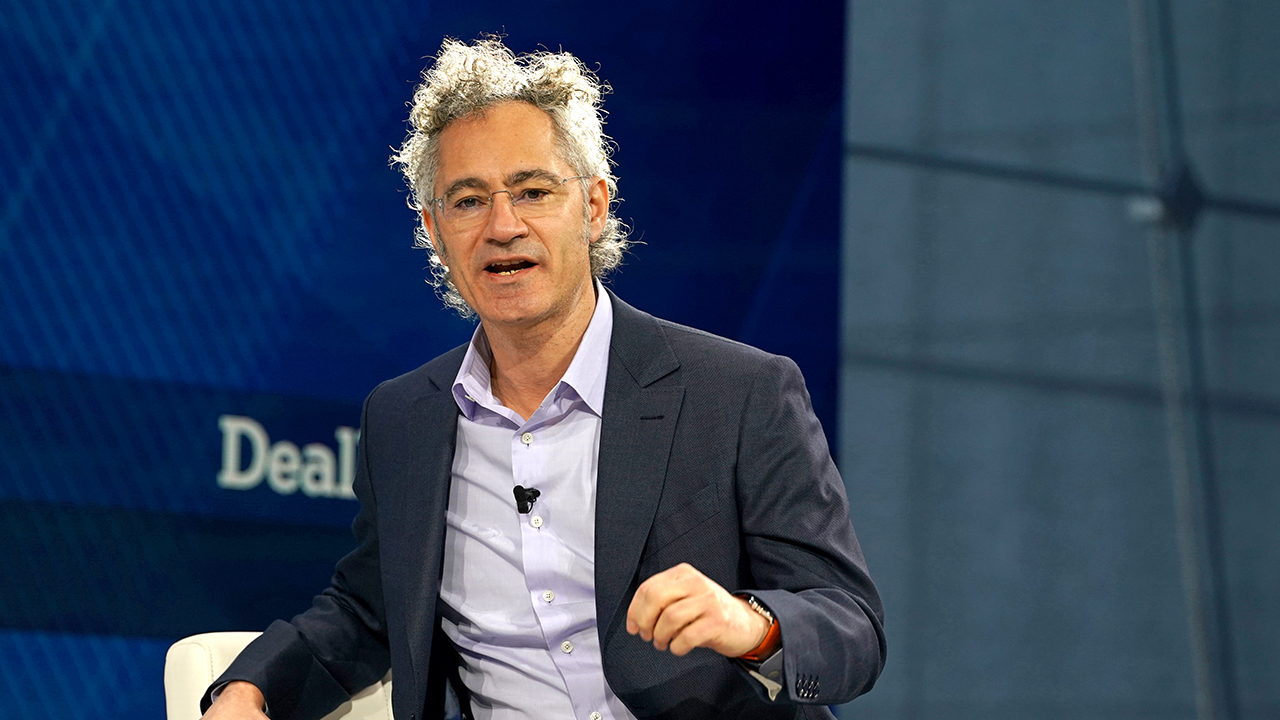
At the helm of one of the world's most controversial tech companies, Palantir Technologies Inc. CEO Alex Karp used his quarterly earnings call to launch a broadside against modern progressive policies. He argued these policies disproportionately harm poor Americans, who he said are "the only people who pay the price for being wrong in this culture".
The comments came as Palantir announced staggering financial results: $1.2 billion in third-quarter revenue, marking a 63% year-over-year surge.
A Political Declaration Amid Financial Success
Karp framed the company's financial performance as a direct result of its cultural stance. "We are the first company to be completely anti-woke," Karp declared during the Monday call. He praised Palantir employees for supporting free speech and "fighting for the right side of what should work in this country — meritocracy, lethal technology".
This anti-woke positioning, he argued, allows Palantir to deliver "venture-quality results" to ordinary Americans. The company's revenue figures support its booming business, with U.S. commercial revenue more than doubling (up 121%) and U.S. government revenue growing 52% in the past year.
Targeting Border and Drug Policies
A central theme of Karp's critique was U.S. border and drug policy. He contended that policies described as progressive often fail the very people they claim to protect.
"At Palantir, we are on the side of the average American who sometimes gets screwed because all the empathy goes to elite people, and none of it goes to the people actually dying on our streets," Karp said. He directly linked open borders to suppressed wages for low-income citizens.
Karp saved his sharpest analogy for the fentanyl crisis, suggesting a glaring disparity in societal concern. "If Fentanyl was killing 60,000 Yale grads, instead of 60,000 working class people, we'd be dropping a nuclear bomb on whoever was sending it from South America," he stated. He emphasized that drugs and violent crime disproportionately devastate poor communities.
Controversial Contracts and Internal Tension
The CEO openly acknowledged Palantir's work with contentious government agencies, a cornerstone of its business. "We power ICE," Karp said, referring to U.S. Immigration and Customs Enforcement. "We've supported Israel. Okay, these are very controversial. I don't know why this is all controversial, but many people find that controversial".
This explicit alignment has caused internal friction. Lisa Gordon, Palantir's communications chief and a self-described Democrat, called the company's political shift toward supporting former President Donald Trump "concerning" in a recent interview. Notably, Karp had publicly supported Vice President Kamala Harris during the 2024 presidential campaign, highlighting the complex political landscape within the firm's leadership.
The Broader "Anti-Woke" Shift in Silicon Valley
Karp's declaration reflects a wider movement within the technology industry. Over the past year, a noticeable segment of Silicon Valley has embraced anti-wokeness and shown support for Trump. Prominent tech leaders like OpenAI's Sam Altman and Meta's Mark Zuckerberg have publicly praised the former president.
In his shareholder letter, Karp expanded on his philosophy, calling for a "return to a shared national experience" and warning against casually proclaiming "the equality of all cultures and cultural values". He wrote that some cultures are "destructive and deeply regressive," arguing it is a mistake to try to convert the world to an American way of living.
Business and Politics Intertwined
As a major defense and intelligence contractor, with an average of 43% of its revenue coming from the U.S. government, Palantir's fortunes are deeply tied to political winds. Karp's forceful rhetoric solidifies the company's brand as a disruptor unafraid of political combat, potentially endearing it to certain government clients and commercial customers while alienating others.
The CEO's comments signal that Palantir intends to remain a vocal participant in the nation's cultural and political debates, framing its technological work as part of a larger ideological battle. As Karp recruits to keep Palantir "as tribal and cultish and unique as it was 20 years ago," the company's financial success ensures its controversial voice will continue to be amplified on the public stage.


